en
 русский
 Español
 عربى

Content
- 1 1. Product Concept and Character Appeal
- 2 2. Materials Designed for Comfort and Everyday Appeal
- 3 3. Product Specifications at a Glance
- 4 4. Advantages Over Conventional Plush Toys
- 5 5. Applications Across Retail, Gifts, and Lifestyle Markets
- 6 6. OEM and ODM Customization Opportunities
- 7 7. Manufacturing Capabilities and Production Strengths
- 8 8. Quality and Commercial Considerations for Buyers
- 9 9. Why the Product Fits Current Plush Toy Trends
- 10 10. Merchandising and Marketing Ideas
- 11 11. Ordering Process for Wholesale and Custom Buyers
- 12 12. Q&A About the Fantasy Stuffed Plush Dolls
- 12.1 Q1: What makes these plush dolls different from ordinary stuffed animals?
- 12.2 Q2: How large are the toys?
- 12.3 Q3: How much does each toy weigh?
- 12.4 Q4: What materials are used?
- 12.5 Q5: Are the dolls suitable for OEM and ODM projects?
- 12.6 Q6: What is the minimum order quantity?
- 12.7 Q7: How much is the sample fee?
- 12.8 Q8: How long does sample development take?
- 12.9 Q9: How long is the production lead time?
- 12.10 Q10: Can the two dolls be sold as a pair?
- 12.11 Q11: What types of businesses may use this product?
- 12.12 Q12: Can the toys be used for home decoration?
- 12.13 Q13: What should buyers check before placing a bulk order?
- 12.14 Q14: Does the manufacturer serve overseas markets?
- 13 13. Overall Evaluation
- 14 References
- 15 Product: Fantasy stuffed plush doll animal plush toys
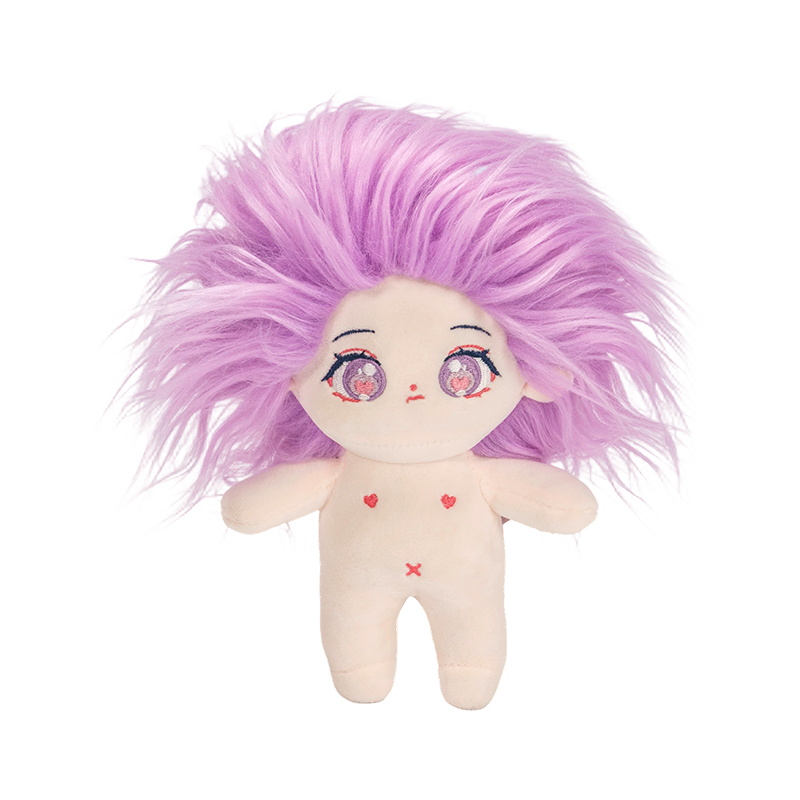
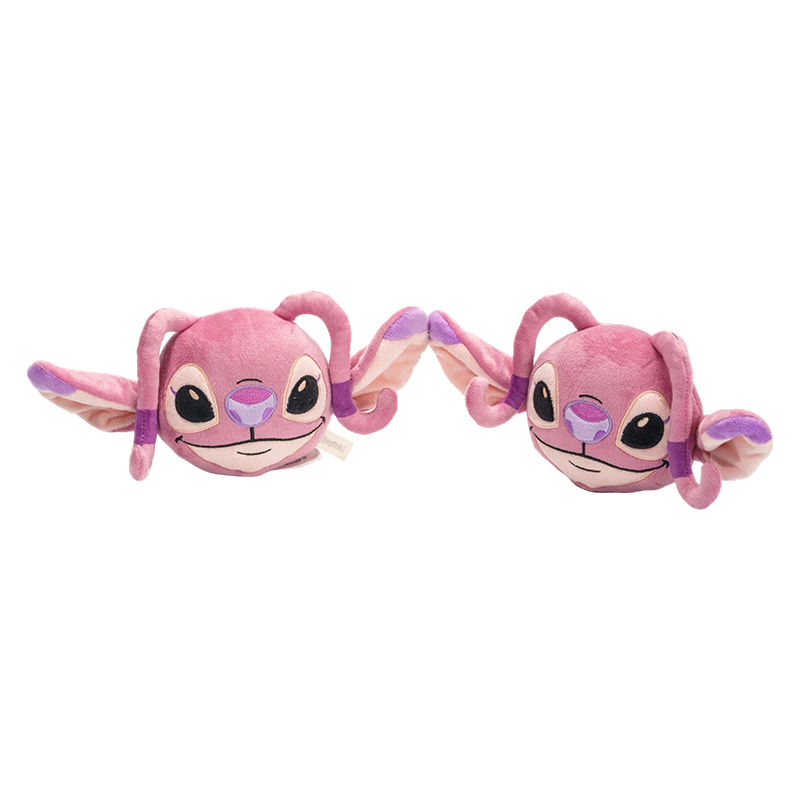
Fantasy plush toys continue to attract consumers because they combine comfort, visual storytelling, collectability, and emotional appeal in one approachable product. The Fantasy Stuffed Plush Doll Animal Plush Toys presented here are designed around those qualities. Featuring two charming fantasy animal characters in dreamy pink tones, the collection offers a distinctive combination of softness, playful expression, gentle colors, and customizable production options for retailers, gift companies, promotional programs, and lifestyle brands.
Unlike ordinary stuffed animals that rely only on familiar animal shapes, these fantasy plush dolls are built around an imaginative character concept. Their rounded heads, oversized ears, bright black eyes, and small purple noses create an instantly recognizable appearance. The light-purple ear edging adds visual contrast while reinforcing the product’s magical, sweet, and contemporary identity. This makes the toys suitable for children’s collections, fantasy-themed merchandise, seasonal displays, bedroom décor, social-media-driven gift ranges, and character-based product lines.
The toys measure approximately 24 centimeters and weigh about 155 grams. This size gives them a useful balance between visibility and portability. They are large enough to display their facial details and soft silhouette clearly, while remaining light enough for children to carry, collectors to arrange, and retailers to package efficiently. The use of super-soft plush fabric and PP cotton filling further strengthens their appeal as cuddly companions and tactile comfort products.
For buyers seeking a dependable plush toy manufacturing partner, the product is supported by an integrated development, design, production, sales, and after-sales structure. The manufacturer has operated since 2013 and maintains a factory of more than 10,000 square meters in Anhui, China. Its experience serving international markets and major retail customers provides a strong foundation for OEM and ODM cooperation, product customization, export support, and large-volume production.
Fantasy stuffed plush doll animal plush toys
1. Product Concept and Character Appeal
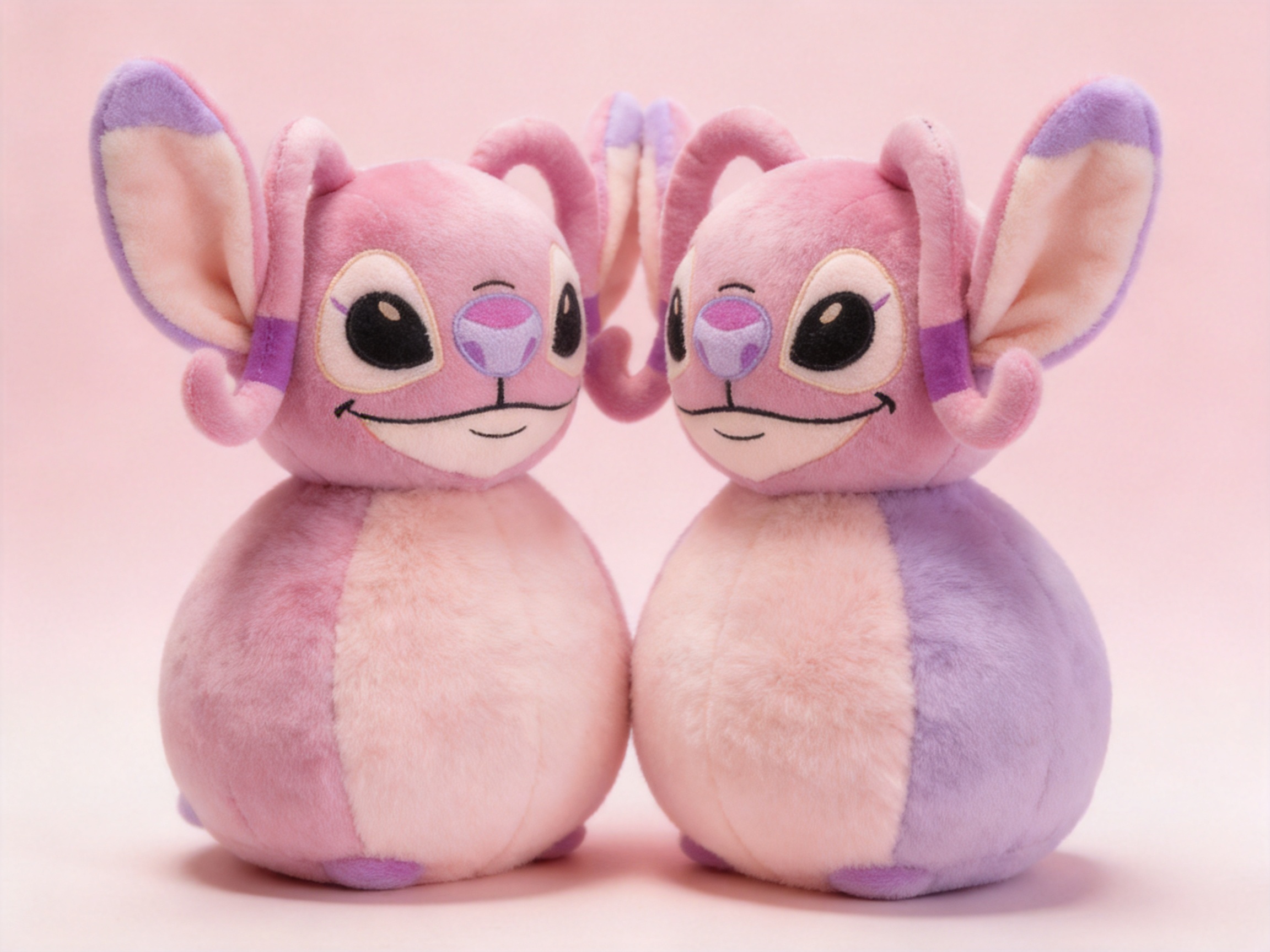
The central strength of these fantasy stuffed plush dolls is their ability to communicate personality through a simple and memorable visual language. The design does not depend on excessive decoration. Instead, it uses a small number of carefully coordinated features: soft pink coloring, rounded proportions, large ears, bright black eyes, purple ear details, and small purple noses.
Rounded heads are particularly effective in plush design because they create a friendly and approachable appearance. Soft curves are easy to associate with comfort and gentleness, making the product suitable for both children and adults who enjoy decorative or collectible plush items. The rounded head also provides a broad surface for embroidery, appliqué, printed details, or future customization if a buyer wishes to develop a related character series.
The large ears give the dolls a distinctive silhouette. In a crowded retail environment, silhouette recognition can be just as important as color or packaging. A toy with a clear outline is easier to identify on a shelf, in an online product image, or in a promotional display. The light-purple edging around the ears adds a secondary color that helps separate the product from standard pink plush animals.
The black eyes are large, round, and bright. This expression creates a balance between innocence and cleverness. The characters appear playful rather than passive, which can help them connect with children who want a toy with personality. For adult consumers, the same expression contributes to the collectible and decorative value of the product. It can fit naturally into pastel, kawaii, fantasy, nursery, and lifestyle-oriented merchandise programs.
The small purple noses serve as a focal point in the face. Because the nose is a contrasting accent rather than an oversized feature, it adds individuality without overwhelming the design. The repeated use of purple in the nose and ear edging creates visual coordination and gives the dolls a finished, intentional appearance.
These features make the product adaptable to several commercial positions. A retailer may present it as a children’s soft toy, a fantasy animal plush, a room decoration, a seasonal gift, a character collectible, or a promotional merchandise item. The product’s versatility is an important advantage over narrowly themed plush toys that can only be marketed for one occasion or one age group.
2. Materials Designed for Comfort and Everyday Appeal
Material selection is a major factor in the success of a plush toy. Consumers expect a stuffed animal to look attractive, feel pleasant, retain its shape, and remain appealing after repeated handling. These fantasy plush dolls use super-soft plush fabric for the outer shell and PP cotton for the filling.
Super-soft plush fabric creates a smooth and delicate surface that is comfortable to touch. Tactile quality is especially important in a product intended to be hugged, carried, displayed on a bed, or kept near a child during rest. A soft surface also improves the initial impression when a customer picks up the toy in a store or opens a shipment ordered online.
The fabric supports the product’s dreamy visual identity. Pink plush can appear warm, gentle, and inviting, while the smooth surface helps the color look even and refined. The material also allows the rounded form to maintain a soft, flexible appearance rather than looking rigid or overly structured.
PP cotton filling is widely used in plush manufacturing because it can create a lightweight and resilient interior. In this product, the filling helps form the rounded head and body while keeping the total weight at approximately 155 grams. This lightweight construction contributes to portability, economical handling, and comfortable use by children.
The combination of super-soft plush and PP cotton gives the dolls a competitive advantage over products that prioritize appearance but offer a rough or stiff tactile experience. A visually attractive character may draw attention, but softness often determines whether the product becomes a favorite companion. The material combination therefore supports both the emotional and practical sides of the purchase decision.
For buyers developing their own versions, the selected materials also provide a useful starting point for customization. Depending on the product concept and production requirements, buyers may discuss changes to fabric colors, surface textures, embroidered elements, accessories, labels, packaging, and character proportions through an OEM or ODM program.
3. Product Specifications at a Glance
The following specifications summarize the current product configuration. They can serve as a reference for product planning, quotation discussions, packaging development, and initial purchasing evaluations.
| Specification | Current Product Information | Commercial Significance |
|---|---|---|
| Product type | Fantasy stuffed plush doll animal plush toys | Suitable for children’s toys, gifts, décor, collectibles, and promotional merchandise |
| Design category | Fantasy Animal Plush Toys | Supports imaginative, character-based, and trend-oriented product positioning |
| Approximate size | 24 cm | Visible enough for display while remaining portable and easy to package |
| Customization option | Customized size available | Allows adaptation for different retail programs and character collections |
| Approximate weight | 155 g | Lightweight for handling, gifting, shipping, and everyday use |
| Primary color | Pink | Creates a soft, sweet, fantasy-oriented visual identity |
| Shell fabric | Super-soft plush | Provides a smooth, delicate, and tactile surface |
| Filling material | PP cotton | Supports a lightweight and rounded plush structure |
| OEM and ODM | Welcome | Suitable for private-label, custom character, and branded product development |
| Minimum order quantity | 1,000 pieces | Appropriate for organized retail, wholesale, promotional, and seasonal programs |
| Sample fee | US$100 per design | Provides a defined starting point for customized sample development |
| Sample lead time | 3–7 working days | Supports relatively rapid evaluation of a proposed design |
| Production lead time | Approximately 45 days | Allows planning for launches, campaigns, and seasonal purchasing schedules |
The specifications demonstrate why the product is suitable for a broad range of buyers. The 24-centimeter format is not so small that the character loses visual presence, and it is not so large that storage or transportation becomes unnecessarily difficult. The 155-gram weight similarly provides a practical middle ground between a miniature keychain-style item and a large decorative cushion.
The available customization of size is especially valuable for buyers building a coordinated assortment. A smaller version could be developed for blind-box collections, party favors, subscription boxes, or promotional bundles. A larger version could serve as a premium gift, seasonal display piece, or room decoration. The existing design can therefore act as the foundation for a product family rather than a single isolated SKU.
4. Advantages Over Conventional Plush Toys
4.1 A More Distinctive Fantasy Identity
Many conventional plush toys are based on familiar dogs, cats, bears, rabbits, or other common animals. Familiarity can be useful, but it also creates intense competition. A fantasy animal design offers a different route to consumer attention. These dolls do not need to compete only on whether they resemble a real animal. Their appeal comes from an imaginative character world suggested by their colors, ears, facial expression, and soft proportions.
This fantasy identity can help a retailer create a more distinctive shelf presentation. It is also useful for brands that want to develop original characters rather than rely on generic animal forms. The dolls can become part of a story, collection, or seasonal theme, giving marketing teams more opportunities to create names, personalities, packaging narratives, and social content.
4.2 Strong Shelf and Online Recognition
A plush product must be recognizable from a distance and in a small digital thumbnail. The combination of pink coloring, large black eyes, purple accents, and oversized ears supports visual recognition. The design remains legible even when a customer first sees it in a catalog image or online marketplace listing.
Products with a clear facial expression and memorable color blocking are often easier to photograph for retail campaigns. The dolls can be presented individually, as a pair, in a nursery environment, alongside other pastel products, or within a fantasy-themed display. Their visual flexibility reduces the need for complicated staging and helps buyers use the product across multiple merchandising contexts.
4.3 Tactile Value as a Purchase Driver
Some competing products may focus heavily on printed graphics, accessories, or complex construction. Those features can add visual interest, but they do not always improve the basic experience of holding the toy. The super-soft plush shell gives these dolls a direct tactile advantage. A customer can immediately understand the product’s comfort value by touching it.
Tactile softness can also encourage repeat engagement. Children may cuddle the toy, take it on trips, use it during quiet time, or keep it beside them while sleeping. Adults may place it on a sofa, bed, shelf, or work area as a comforting decorative accent. This broadens the product’s potential beyond a short-term novelty purchase.
4.4 Balanced Size and Weight
Large plush toys can create impressive displays, but they may be expensive to ship and difficult to store. Very small toys may be affordable and portable, but their facial details and emotional impact can be limited. The approximately 24-centimeter size and 155-gram weight of this product offer a balanced alternative.
The dolls are sufficiently substantial for gifting and display while remaining easy to handle. Retailers can arrange several units on a shelf without requiring excessive space. E-commerce sellers can also benefit from a product format that is relatively convenient for packing and fulfillment, subject to final packaging requirements and shipping calculations.
4.5 Potential for Series Development
A successful plush program often benefits from multiple related characters. The two-doll concept already provides a natural basis for pair merchandising. Buyers may further develop color variations, seasonal costumes, different expressions, fantasy species, accessories, or coordinated home products.
Series development can encourage repeat purchases and collection behavior. A customer who likes one character may be interested in obtaining its companion or a future variation. For retailers, this creates opportunities for themed displays and cross-selling. For promotional buyers, a character family can support different campaigns or customer segments while preserving a consistent visual identity.
5. Applications Across Retail, Gifts, and Lifestyle Markets
The versatility of these fantasy plush dolls makes them appropriate for more than one sales channel. Their soft appearance and fantasy styling are suitable for children’s stores, gift shops, online marketplaces, department stores, specialty toy retailers, lifestyle boutiques, and seasonal pop-up shops.
In children’s retail, the dolls can be positioned as imaginative companions. Their friendly faces and soft bodies make them approachable, while the fantasy styling encourages pretend play and storytelling. Retailers may pair them with storybooks, children’s bedding, pastel accessories, or other character merchandise.
In gift retail, the product can appeal to shoppers looking for a sweet and visually expressive present. Pink and purple color accents are especially suitable for birthday gifts, friendship gifts, celebration merchandise, baby-room accessories, and seasonal collections. The product can also be included in curated gift boxes with stationery, accessories, candles, or small lifestyle items.
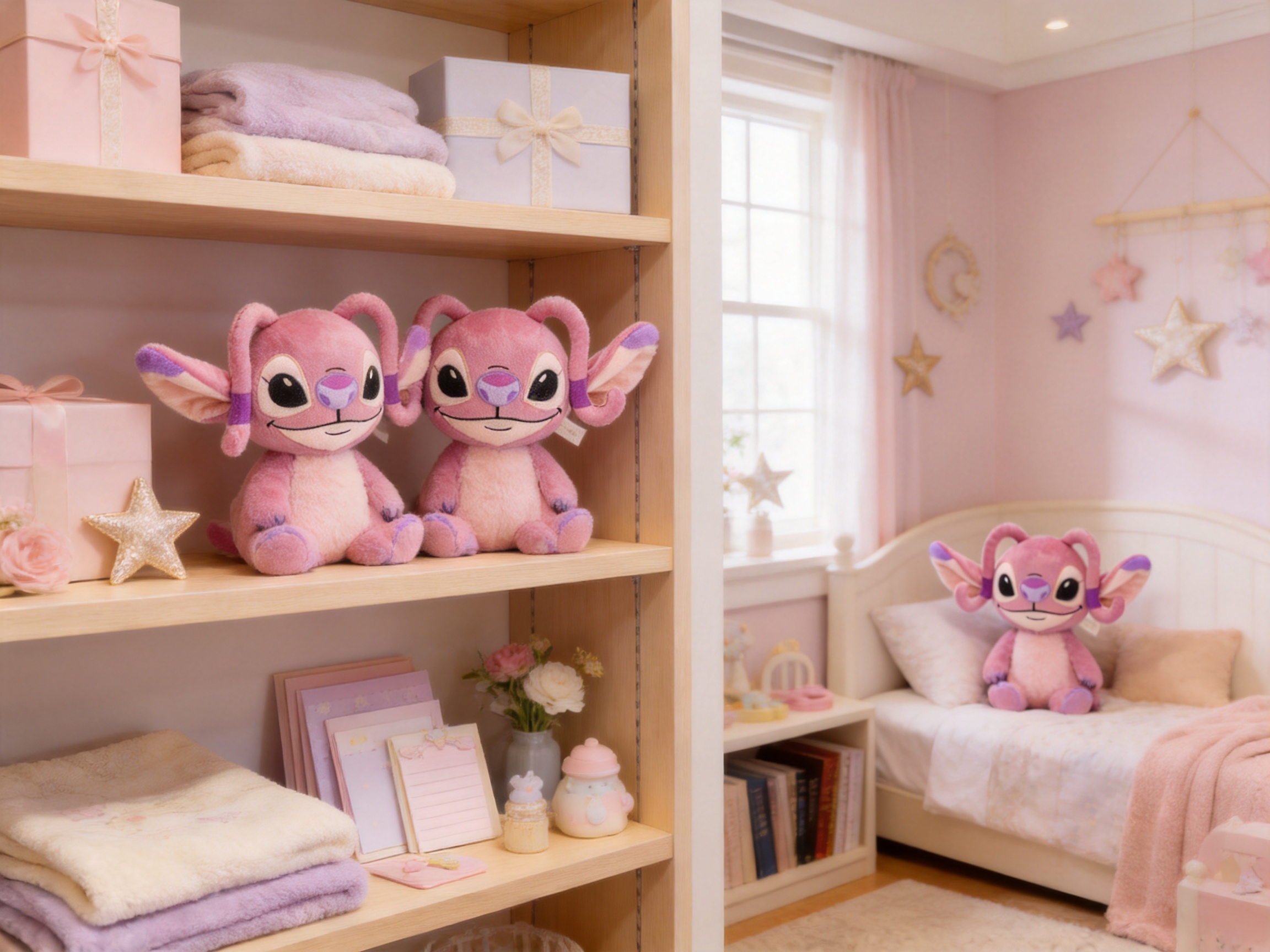
For home and lifestyle retailers, the dolls can be marketed as decorative plush objects. The rounded form and soft color palette can complement bedrooms, children’s rooms, reading corners, nurseries, and playful interior settings. Unlike a purely functional household item, the plush toy adds personality and emotional warmth to a space.
Promotional buyers can explore the product as a character-based gift for campaigns, events, loyalty programs, and branded collaborations. The OEM and ODM capability allows organizations to discuss customized designs, colors, labels, packaging, and other product elements. A plush character can have a longer perceived life than a disposable promotional item because recipients may keep it after the event.
Seasonal programs are another possible application. The fantasy styling can be adapted to spring, holiday, birthday, back-to-school, or themed campaign concepts. Depending on the buyer’s requirements, changes to colors, accessories, packaging, and character details can create a limited-edition appearance without abandoning the basic product structure.
Collectors and fans of cute character merchandise represent an additional audience. The expressive face and coordinated color palette give the dolls the qualities needed for a small character collection. Limited colors, companion characters, or numbered packaging could be considered within a broader product development program.
6. OEM and ODM Customization Opportunities
Customization is essential for companies that want to create exclusive merchandise or build a recognizable private-label collection. The manufacturer welcomes OEM and ODM cooperation, allowing buyers to explore the product as a starting point for original development.
OEM production is suitable when a buyer has an established design, artwork, character specification, or brand concept and needs a manufacturing partner to produce it. The factory can discuss the required materials, dimensions, construction details, labels, packaging, and production schedule based on the buyer’s project requirements.
ODM cooperation is useful when a buyer wants support with product development and design refinement. The existing fantasy dolls can provide an initial reference for shape, color, facial expression, and material selection. From there, a project may evolve into a new colorway, a different fantasy animal, a themed character pair, or a complete family of plush products.
Potential customization areas may include the following:
• Character colors and accent colors.
• Overall size and proportion.
• Ear shape and decorative edging.
• Facial expressions and embroidered details.
• Clothing, accessories, or removable features.
• Brand labels, hangtags, and packaging.
• Special seasonal or promotional artwork.
• Coordinated versions for a character series.
• Customized gift sets or multi-piece assortments.
When developing a customized product, buyers should provide clear artwork, target dimensions, intended market, packaging expectations, and required compliance documentation at the beginning of the project. Early communication helps reduce revisions and allows the design and production teams to evaluate feasibility more efficiently.
The stated sample fee is US$100 per design, and the sample development time is approximately 3–7 working days. A sample gives the buyer an opportunity to review the character’s scale, color balance, softness, stitching, filling, and general appearance before confirming bulk production. Because plush products are tactile and three-dimensional, physical sample evaluation is an important step in achieving a consistent result.
7. Manufacturing Capabilities and Production Strengths
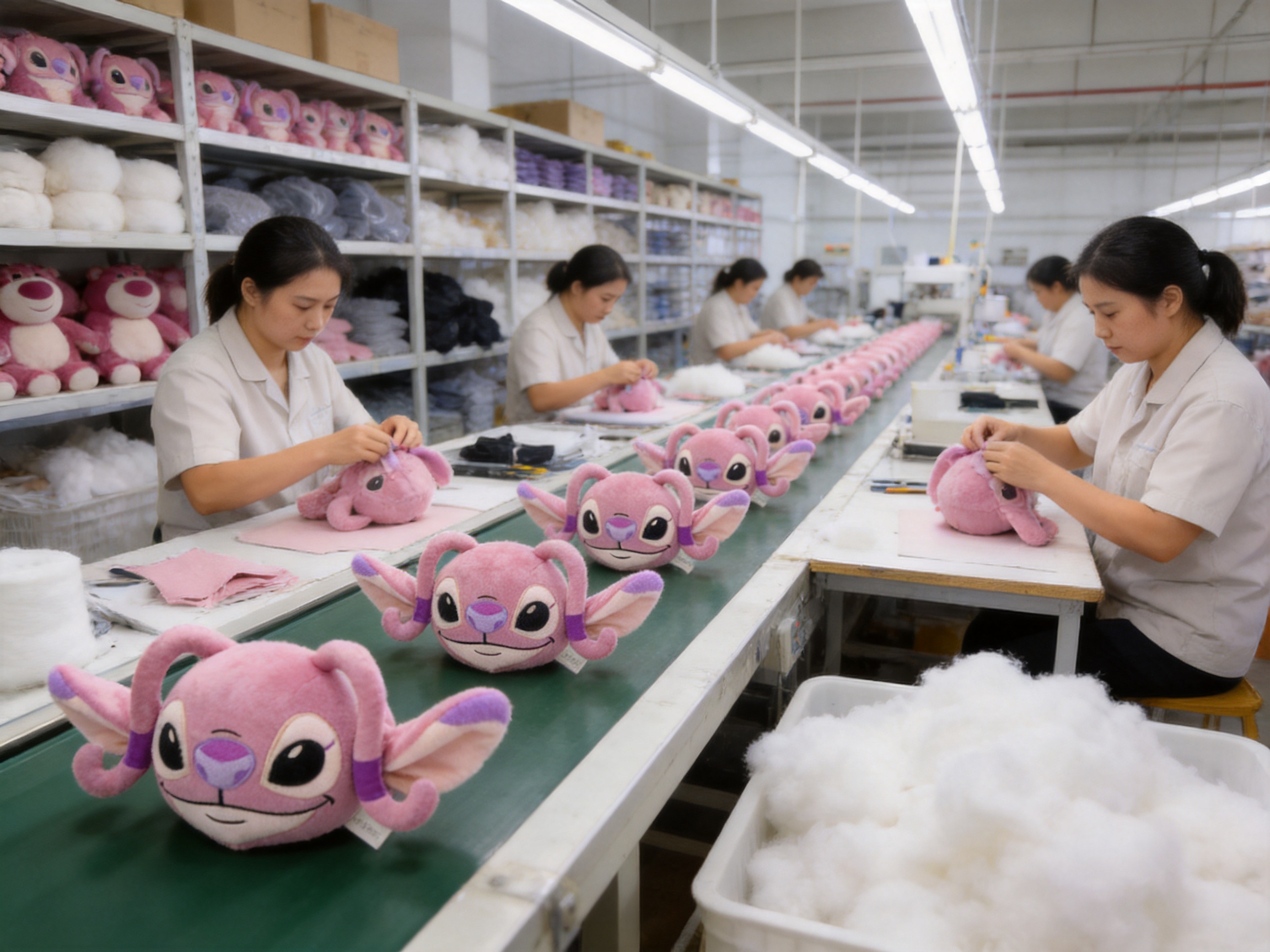
The product is supported by an integrated manufacturer specializing in research and development, design, production, sales, and after-sales service. This integrated structure is valuable because plush toy development involves more than sewing fabric pieces together. It requires coordination between creative design, material selection, pattern development, sample making, production planning, quality management, packaging, and delivery.
A manufacturer with internal design and development capabilities can respond more effectively when a buyer requests changes. Instead of treating every project as a completely separate sourcing task, the production team can draw on established experience in plush construction, character styling, and product engineering. This can help buyers move from a concept sketch to a physical sample with fewer communication gaps.
The factory covers more than 10,000 square meters. A facility of this scale can support organized work areas for material handling, cutting, sewing, filling, shaping, inspection, finishing, and packing. While the exact line configuration may vary by order, an established factory environment provides a stronger basis for managing medium- and large-volume orders than a small workshop with limited capacity.
The company was established in 2013 as a joint venture involving Hong Kong Jintong International Co., Ltd. and Tianyuan Enterprise Investment Management Co., Ltd. Its operating history provides experience in serving international customers and managing export-oriented plush product programs.
Annual sales exceeding 12 million RMB indicate an established commercial operation with experience in recurring production and customer service. The manufacturer exports products to Europe, America, Australia, Japan, and South Korea. Exposure to different international markets can help the team understand the importance of packaging, communication, delivery coordination, and buyer-specific requirements.
The company’s product range includes trendy plush toys, children’s plush toys, pet plush toys, plush promotional gifts, plush home furnishings, plush stationery gifts, plush handicrafts, and plush cartoon decorations. This broad category experience is relevant to the fantasy dolls because it demonstrates familiarity with multiple plush applications rather than one limited product type.
7.1 Product Development and Design
The first manufacturing strength is the ability to support product development. The fantasy dolls show evidence of a deliberate design process in which color, facial details, proportions, and tactile materials work together. Their appearance is simple enough to be commercially accessible but distinctive enough to support character development.
A professional design team can help evaluate whether a proposed shape will be attractive, stable, sewable, fillable, and suitable for mass production. This practical design perspective is important for buyers who may have an illustration but limited experience converting two-dimensional artwork into a three-dimensional plush product.
7.2 Pattern Making and Construction Control
Plush toys require accurate pattern pieces to achieve balanced proportions. Small changes in the size of an ear, head panel, nose, or body section can affect the final appearance. During development, the pattern must be adjusted so that the finished character remains close to the approved sample when produced at volume.
Construction control is also important for maintaining symmetry. The large eyes, purple noses, and ear details are central to the product’s identity. Consistent positioning helps ensure that every unit presents the same friendly expression. Organized sewing and finishing procedures support this consistency.
7.3 Filling and Shaping
PP cotton must be distributed carefully to create a soft but well-formed product. Too little filling can make the character appear flat, while excessive filling may make it stiff or distort the pattern. The approximately 24-centimeter dolls benefit from balanced shaping that preserves their rounded heads and soft body forms.
Experienced production teams can establish filling procedures and inspection points to help maintain consistency between units. This is particularly important for wholesale buyers, because variation in firmness or shape can affect the perceived quality of a large shipment.
7.4 Finishing and Inspection
Finishing includes checking seams, trimming loose threads, confirming the position of facial elements, reviewing surface appearance, and preparing each toy for packing. Since consumers often inspect plush toys closely, clean finishing contributes directly to the product’s retail presentation.
Inspection should also consider color consistency, filling distribution, shape recovery, stitching security, and packaging condition. Buyers may define their own inspection standards or request specific quality checkpoints according to the destination market and intended use.
7.5 Production and Delivery Coordination
The stated production lead time is approximately 45 days. This provides a practical planning reference for buyers preparing seasonal collections, retail launches, promotional events, or replenishment orders. The final schedule may depend on design approval, material availability, order quantity, packaging requirements, and shipping arrangements.
Clear approval procedures are essential. Buyers should confirm the final sample, color references, labeling, packaging, quantity, and delivery terms before bulk production begins. A structured approval process helps reduce uncertainty and supports smoother coordination between the buyer and the factory.
8. Quality and Commercial Considerations for Buyers
When evaluating a plush toy supplier, buyers should consider more than the appearance of a single sample. They should also assess whether the manufacturer can reproduce the approved design consistently, communicate clearly, manage timing, and support future orders.
The fantasy dolls offer a useful foundation because their main quality characteristics are easy to identify. These include surface softness, even pink coloration, clean purple accents, accurate facial placement, rounded shaping, secure seams, and consistent filling. Establishing these points in the approval sample gives both parties a practical quality reference.
Buyers should also confirm the intended age range and destination-market requirements. Plush toys may be subject to different testing, labeling, packaging, and documentation standards depending on where they are sold. The appropriate requirements should be discussed before final production, especially when the product is intended for children.
Packaging decisions can influence both presentation and logistics. Individual polybags, printed boxes, display cartons, gift packaging, and multi-unit shipping cartons may serve different sales channels. An online gift retailer may prioritize presentation, while a high-volume promotional buyer may prioritize efficient packing and distribution. OEM and ODM discussions can include these considerations from the beginning.
Buyers should also consider whether the product will be sold as a single doll or as a pair. The two-character concept can support individual sales, companion bundles, or themed sets. A pair may increase perceived value and strengthen the storytelling element, while individual packaging may allow consumers to choose their preferred character and give retailers more flexible merchandising options.
9. Why the Product Fits Current Plush Toy Trends
Contemporary plush consumers are increasingly interested in products that combine softness with personality. A plush toy is no longer limited to traditional nursery use. It may function as a collectible, room decoration, emotional comfort object, social-media prop, gift, or brand character.
The fantasy dolls fit these trends through their expressive faces and gentle color scheme. The design is visually simple enough to be widely accessible, yet imaginative enough to stand apart from ordinary animal plush. This combination can appeal to children, teenagers, young adults, parents, gift shoppers, and collectors.
Trend-oriented product lines often benefit from a recognizable visual code. In this case, the code includes pink softness, purple accents, large black eyes, rounded forms, and fantasy-inspired ears. A buyer can extend these elements across additional products such as cushions, pouches, keychains, blankets, stationery, or home accessories.
The product also supports the growing interest in comforting and emotionally positive merchandise. Soft textures and friendly expressions can help create a sense of calm and companionship. Although a plush toy should not be presented as a substitute for professional care or support, its emotional and decorative value is an important part of its consumer appeal.
Social content is another potential advantage. The dolls can be photographed in imaginative settings, paired with seasonal props, featured in gift guides, or used in character storytelling. Their color palette works well with pastel, fantasy, nursery, and lifestyle photography. This gives retailers additional ways to present the product beyond a basic catalog image.
10. Merchandising and Marketing Ideas
A strong merchandising program can emphasize the product’s softness, character identity, and fantasy atmosphere. In physical stores, the dolls may be displayed at eye level or grouped with complementary pink and purple products. Soft lighting, cloud-themed graphics, stars, moons, flowers, or storybook elements can reinforce the product’s imaginative positioning.
For online retail, product photography should show multiple angles, including the face, ears, side profile, and overall size. A hand-held image or a photograph beside a familiar object can help customers understand the 24-centimeter scale. Close-up images can communicate fabric softness and facial details.
Marketing copy can focus on several key themes:
• Soft, skin-friendly plush texture.
• Friendly fantasy character design.
• Lightweight and portable format.
• Pink and purple color coordination.
• Suitability for gifting, display, and cuddling.
• OEM and ODM possibilities for custom projects.
• Pair-based or collection-based merchandising.
Seasonal campaigns can adapt the dolls to different occasions. For example, a spring display might use floral packaging, while a winter collection might introduce icy pastel accents or a special scarf. Birthday gift packaging can highlight friendship and companionship. A promotional campaign can create a custom hangtag with a character story or brand message.
Retailers should ensure that all marketing statements match the actual product and applicable regulations. Claims regarding safety, age suitability, washability, or specific certifications should be confirmed before publication rather than assumed from the general product description.
11. Ordering Process for Wholesale and Custom Buyers
A clear ordering process helps buyers move efficiently from initial interest to delivery. The first stage is usually product evaluation. Buyers can review the standard design, confirm the approximate size and weight, and determine whether the pink fantasy styling fits their target audience and sales channel.
The second stage is project definition. If the buyer wants a standard product, the discussion may focus on quantity, packaging, delivery timing, and commercial terms. If the buyer wants customization, the buyer should provide artwork, desired dimensions, colors, logos, packaging concepts, and any special construction requirements.
The third stage is sampling. The stated sample fee is US$100 per design, with a sample time of approximately 3–7 working days. The sample should be reviewed carefully for overall shape, proportions, fabric hand feel, color, facial expression, seam quality, filling, and accessories.
The fourth stage is revision and approval. Any required changes should be communicated in a consolidated and precise format. Once the buyer approves the final sample and specifications, the factory can prepare for bulk production. Written approval helps establish a shared reference for the order.
The fifth stage is production. The stated delivery time is approximately 45 days. Buyers should allow additional planning time for sample approval, packaging preparation, quality checks, shipping, customs, and local distribution. Seasonal orders should be scheduled well in advance to reduce pressure on the supply chain.
The final stage is delivery and after-sales communication. An integrated after-sales service team can help address questions related to order status, packing, documentation, or future replenishment. Maintaining clear records of the approved design and specifications is especially useful when the buyer plans to reorder or develop matching products.
12. Q&A About the Fantasy Stuffed Plush Dolls
Q1: What makes these plush dolls different from ordinary stuffed animals?
They combine a fantasy character concept with soft pink coloring, light-purple ear accents, large black eyes, purple noses, and rounded proportions. Their design is more imaginative and visually distinctive than a generic animal shape, while their super-soft plush fabric preserves the comfort expected from a traditional stuffed toy.
Q2: How large are the toys?
The standard size is approximately 24 centimeters. Customized sizes are also available for buyers who want to create smaller promotional items, larger decorative versions, or a coordinated multi-size product series.
Q3: How much does each toy weigh?
The listed weight is approximately 155 grams. The lightweight format makes the dolls easy to carry, display, pack, and include in gift or promotional programs.
Q4: What materials are used?
The shell fabric is super-soft plush, and the filling material is PP cotton. Together, these materials create a smooth, gentle surface and a lightweight, rounded interior.
Q5: Are the dolls suitable for OEM and ODM projects?
Yes. OEM and ODM cooperation is welcome. Buyers may discuss custom sizes, colors, character details, packaging, labels, accessories, and related product development according to project requirements.
Q6: What is the minimum order quantity?
The listed minimum order quantity is 1,000 pieces. This quantity is appropriate for organized wholesale, retail, promotional, seasonal, and private-label programs.
Q7: How much is the sample fee?
The stated sample fee is US$100 per design. The exact sampling arrangement should be confirmed with the manufacturer based on the complexity of the requested customization.
Q8: How long does sample development take?
The listed sample development time is approximately 3–7 working days. The final timing may depend on design details, material availability, and the number of revisions requested.
Q9: How long is the production lead time?
The listed delivery time is approximately 45 days. Buyers should confirm the final schedule after design approval, order confirmation, packaging approval, and production planning.
Q10: Can the two dolls be sold as a pair?
Yes. The two-character concept naturally supports pair packaging and companion merchandising. They may also be sold individually, depending on the retailer’s pricing strategy, target market, and packaging plan.
Q11: What types of businesses may use this product?
Potential buyers include toy retailers, gift shops, lifestyle stores, online sellers, promotional agencies, seasonal merchandise companies, children’s product brands, character merchandise companies, and wholesalers.
Q12: Can the toys be used for home decoration?
Yes. Their soft colors, rounded forms, and fantasy styling make them suitable for bedrooms, nurseries, shelves, sofas, reading corners, and other lifestyle settings. They can be marketed as decorative plush products as well as toys.
Q13: What should buyers check before placing a bulk order?
Buyers should confirm the final sample, dimensions, weight, material specifications, colors, facial details, packaging, labels, quantity, production schedule, destination-market requirements, and inspection expectations. Any safety or compliance requirements should be discussed before production begins.
Q14: Does the manufacturer serve overseas markets?
Yes. The manufacturer exports products to Europe, America, Australia, Japan, and South Korea. It also serves international clients and offers services for customers worldwide.
13. Overall Evaluation
The Fantasy Stuffed Plush Doll Animal Plush Toys offer a strong combination of character design, tactile comfort, practical size, and commercial flexibility. Their pink and purple color palette creates a gentle fantasy identity, while the large black eyes and rounded head provide immediate emotional appeal. The light-purple ear edging and small purple noses add enough contrast to distinguish the dolls from basic pastel plush products.
From a product perspective, the approximately 24-centimeter size and 155-gram weight are practical for retail, gifting, display, and shipping. Super-soft plush fabric supports a pleasant handling experience, while PP cotton filling helps maintain a lightweight and rounded construction. The product can be positioned for children, collectors, gift shoppers, home décor customers, and promotional audiences.
From a manufacturing perspective, the product is supported by an established company with experience in plush product development, design, production, export, and after-sales service. A factory covering more than 10,000 square meters, international market experience, an established design team, and a broad product portfolio provide a substantial foundation for custom manufacturing.
The OEM and ODM options create additional value for buyers who want exclusive character merchandise or a larger coordinated collection. With a minimum order quantity of 1,000 pieces, sample development in approximately 3–7 working days, and an estimated production lead time of 45 days, the product can fit structured wholesale and promotional planning.
For companies searching for a plush product that is softer and more emotionally engaging than a generic stuffed animal, these fantasy dolls are a compelling option. They offer a memorable silhouette, a friendly expression, adaptable merchandising potential, and a manufacturing platform capable of supporting both standard orders and customized development.
References
1. Product specification sheet for Fantasy Stuffed Plush Doll Animal Plush Toys, including size, weight, materials, color, MOQ, sample fee, and lead times.
2. Manufacturer-provided company profile describing product development, design, production, export markets, factory area, and service capabilities.
3. General plush toy design principles concerning character silhouette, tactile materials, proportion, facial expression, and merchandising presentation.
4. General product development practices for OEM and ODM soft toy manufacturing, including sampling, approval, construction review, packaging, and production planning.
5. General retail merchandising considerations for children’s toys, fantasy character products, lifestyle plush, promotional gifts, and seasonal collections.