en
en  русский
 Español
 عربى
عربى
Content
- 1 1. Product Overview
- 2 2. Why Animal Head Plush Toys Work Well as Promotional Products
- 3 3. Advantages Compared with Conventional Promotional Merchandise
- 4 4. Product Materials and Construction
- 5 5. Customization and OEM/ODM Development
- 6 6. Manufacturing Strengths and Production Capability
- 7 7. Production Workflow for Animal Head Promotional Soft Toys
- 8 8. Packaging and Logistics Considerations
- 9 9. Suitable Applications and Campaign Ideas
- 10 10. How the Product Supports Brand Engagement
- 11 11. Buyer Evaluation Checklist
- 12 12. Commercial Value and Cost Efficiency
- 13 13. Company Service and Partnership Benefits
- 14 14. Responsible Product Planning
- 15 15. Frequently Asked Questions
- 15.1 Q1: What is included in the Animal Head Promotional Soft Toys set?
- 15.2 Q2: What is the standard size?
- 15.3 Q3: How much does each toy weigh?
- 15.4 Q4: What materials are used?
- 15.5 Q5: Can the colors be customized?
- 15.6 Q6: Can the animal designs be changed?
- 15.7 Q7: What is the minimum order quantity?
- 15.8 Q8: What is the sample fee?
- 15.9 Q9: How long does sample development take?
- 15.10 Q10: How long is the delivery time?
- 15.11 Q11: How are the products packed?
- 15.12 Q12: Where can these plush toys be used?
- 15.13 Q13: Why are these toys different from ordinary promotional gifts?
- 15.14 Q14: Does the manufacturer support international orders?
- 15.15 Q15: Can the company provide other plush products?
- 16 16. Conclusion
- 17 References
- 18 Product: Animal head promotional soft toys
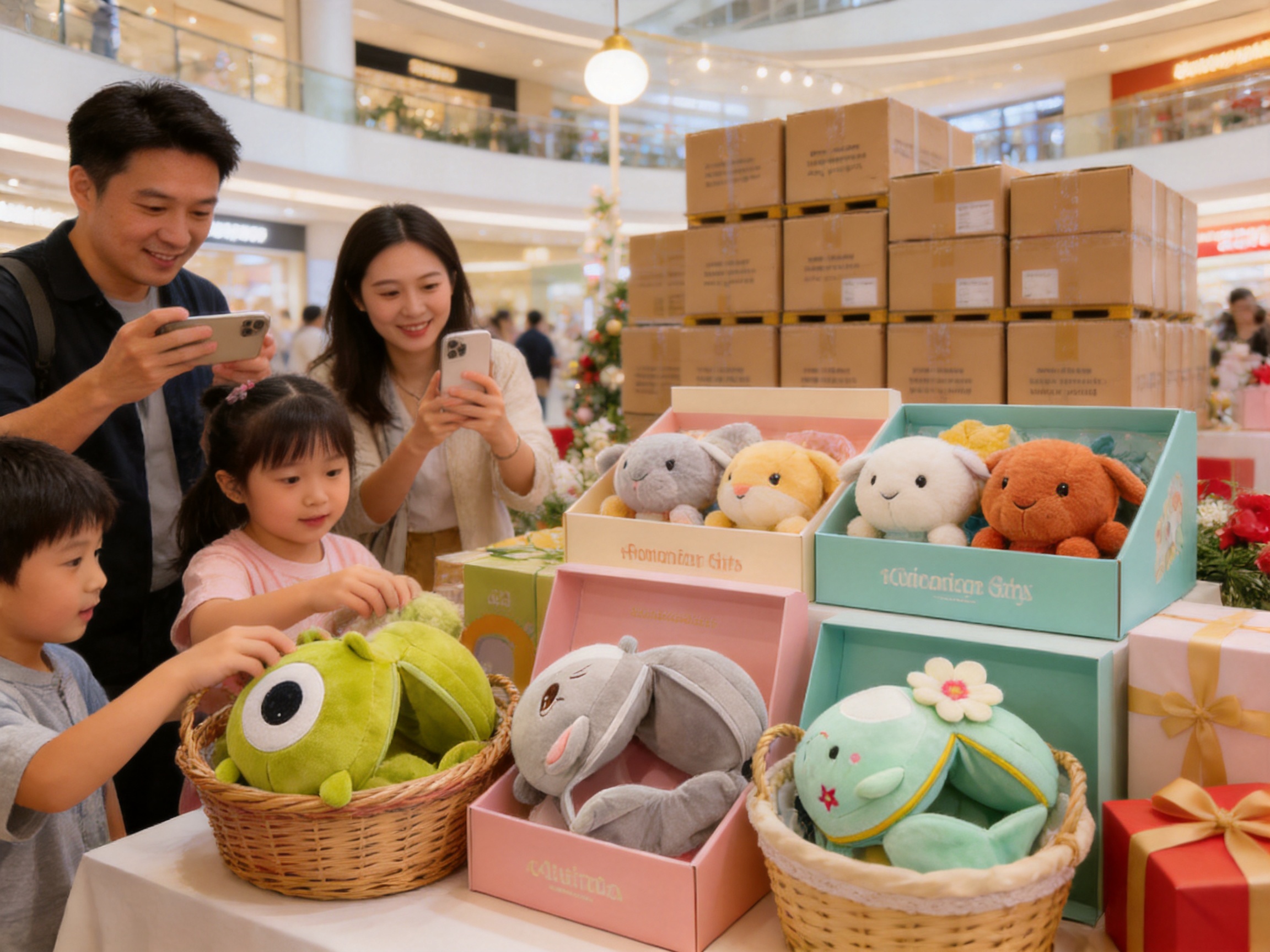
Promotional products are most effective when they combine practical value, emotional appeal, and strong visual recognition. Animal Head Promotional Soft Toys are designed to bring these qualities together in a compact, attractive, and highly adaptable giveaway item. Featuring three animal-head designs, these plush toys offer an innovative alternative to conventional promotional merchandise such as pens, keychains, mugs, or simple logo accessories.
With their fresh colors, soft plush fabric, full PP cotton filling, and expressive animal-inspired shapes, these toys are suitable for malls, trade shows, product launches, family events, retail campaigns, seasonal activities, and corporate promotions. They are easy to display, comfortable to hold, and memorable enough to keep a brand or campaign in the customer’s daily environment long after an event has ended.
Manufactured by Tianchang Bestjoy Craft & Gift Co., Ltd., the product benefits from an integrated approach that covers research and development, design, sampling, production, quality management, packaging, and export service. The company’s experience in plush toys and promotional gifts enables buyers to develop customized designs while maintaining consistent production standards and practical delivery arrangements.
1. Product Overview
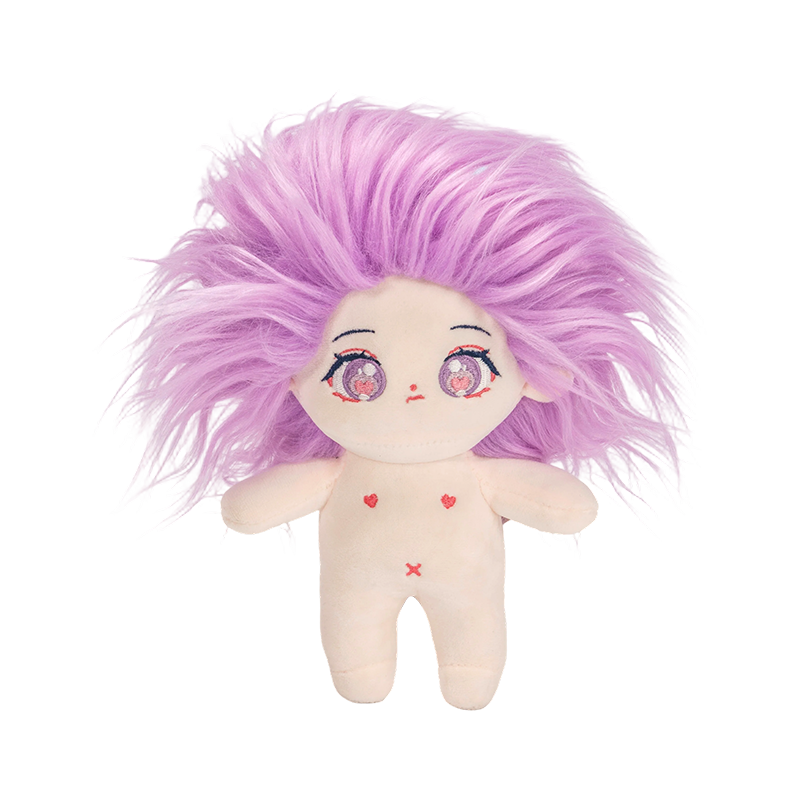
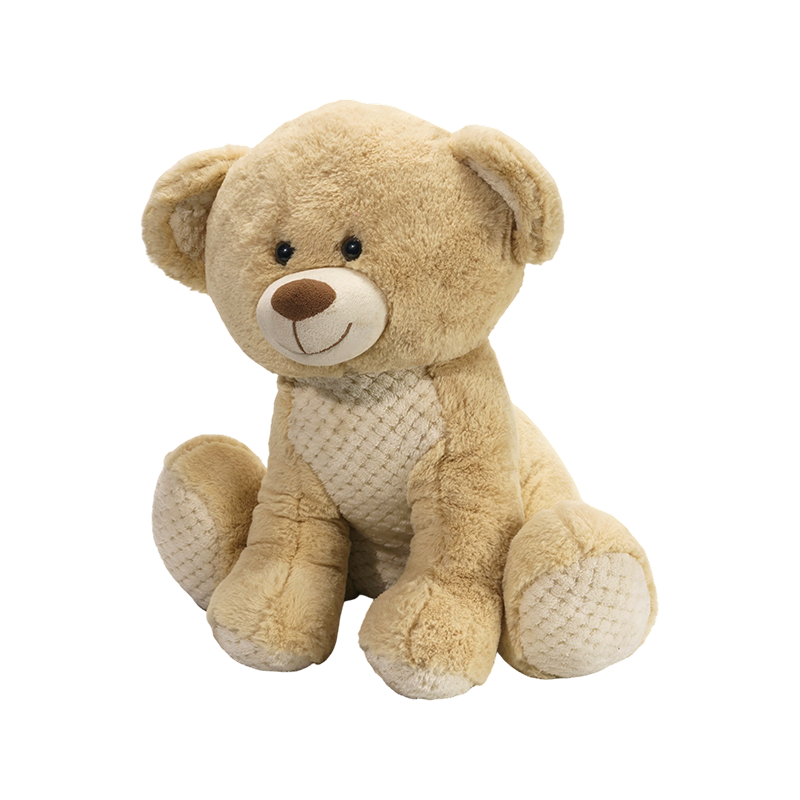
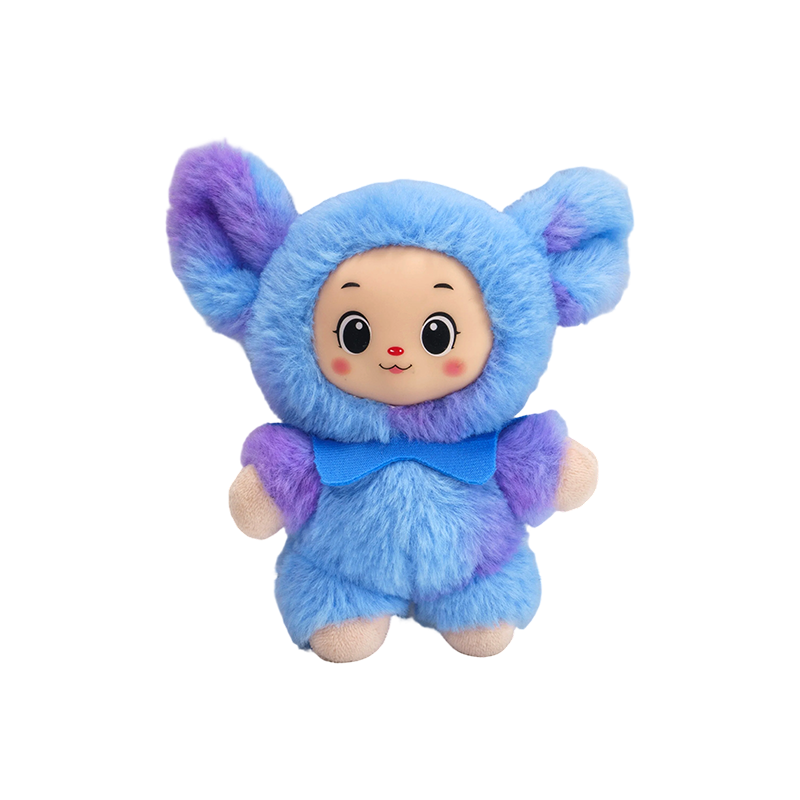
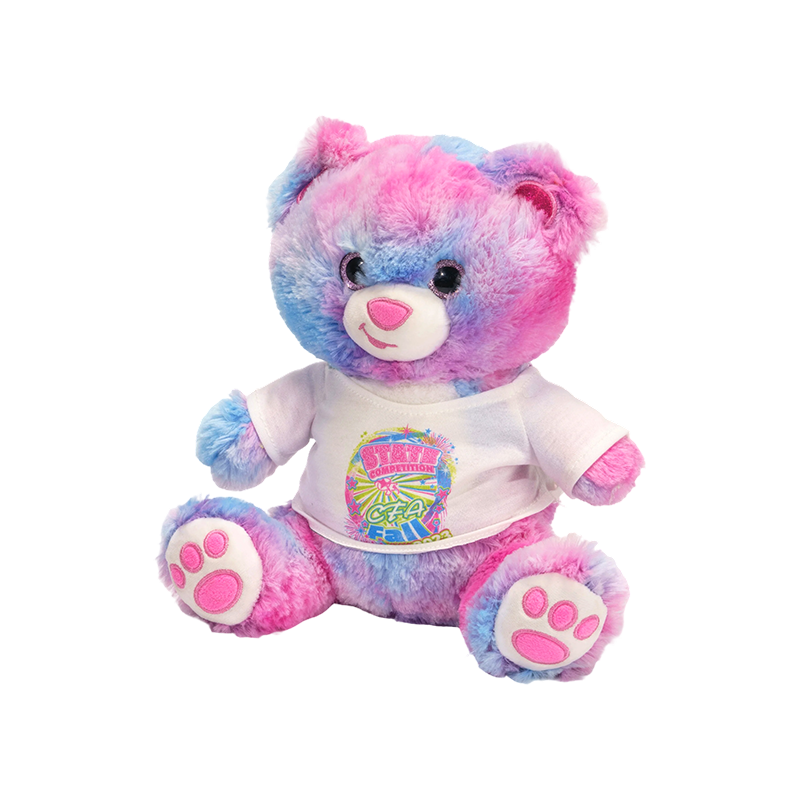
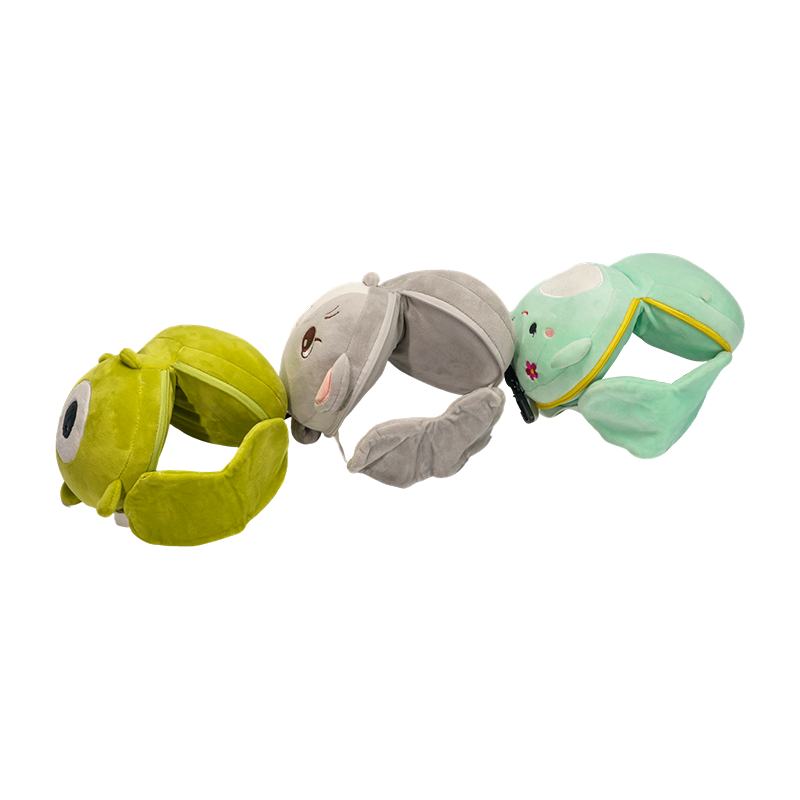
The Animal Head Promotional Soft Toys set includes three plush toys with animal-head designs. Each toy is developed around a recognizable animal-inspired shape, allowing the product to attract attention immediately when placed on a promotional counter, in a gift basket, at a trade show booth, or in a retail display.
The design concept is intentionally simple but highly engaging. Instead of creating a complicated full-body character, the product focuses on the most recognizable and expressive part of an animal: the head. This approach creates a strong visual identity while keeping the product compact, lightweight, and suitable for promotional distribution.
At approximately 15 centimeters in size, the toys are large enough to be noticed and held comfortably, yet small enough to be packed efficiently and distributed in substantial quantities. The size can also be customized according to the requirements of a particular campaign, retail program, or event theme.
The plush toys are made with soft plush fabric and filled with PP cotton. This combination provides a comfortable surface, a lightweight structure, and a full appearance. The filling supports the shape while preserving the soft, squeezable character that consumers generally associate with high-quality stuffed toys.
Multiple color options are available. Buyers can select colors that correspond to a corporate identity, a seasonal theme, a retail campaign, a sports event, a children’s program, or a specific animal character. Through OEM and ODM services, the product can also be adapted in size, color, facial details, surface materials, packaging, and other design elements.
As a promotional item, the product serves more than one purpose. It can function as a customer giveaway, a campaign reward, a display accessory, a retail incentive, a children’s event gift, or part of a themed merchandise collection. This flexibility makes it suitable for organizations that want one product to support several promotional scenarios.
Animal head promotional soft toys
2. Why Animal Head Plush Toys Work Well as Promotional Products
2.1 Immediate Visual Appeal
A promotional item must first attract attention before it can create brand engagement. Animal shapes naturally appeal to a broad audience because they are familiar, expressive, and easy to recognize. The animal-head format allows the toy to communicate its character at a glance, even when it is displayed among many other products.
The three-design set adds variety to the presentation. Rather than offering only one repeated shape, a campaign organizer can arrange several designs together to create a more colorful and dynamic display. Customers may also be encouraged to collect different versions, return for another event, or interact with a brand to receive a preferred animal design.
2.2 Emotional Connection
Soft toys can create a stronger emotional response than many conventional promotional items. Their soft texture and friendly appearance encourage people to touch, hold, and keep them. This physical interaction increases the likelihood that the promotional product will be remembered.
For families, children’s events, and consumer-facing campaigns, the emotional quality of a plush toy can make a brand appear more welcoming and approachable. For corporate events and trade shows, the product can help create a relaxed atmosphere and offer visitors a more engaging reason to start a conversation with exhibitors.
2.3 Longer Retention Time
Many promotional products are used briefly and then discarded or stored away. A well-designed plush toy has a greater opportunity to remain in a home, bedroom, office, vehicle, or child’s play area. Once retained, it can continue to provide passive exposure for the brand or campaign associated with it.
The compact 15-centimeter format supports this advantage. The toy does not require a large amount of storage space and can be placed on a shelf, desk, bed, sofa, or display cabinet. When customized with suitable branding or campaign elements, it becomes a continuing reminder of the original event.
2.4 Broad Audience Suitability
Animal-themed products are not limited to one narrow age group or industry. Retailers, food brands, entertainment companies, schools, tourism organizations, financial institutions, property developers, sporting events, and family-oriented businesses can all use plush toys in promotional programs.
The product can also be positioned differently depending on the target audience. For children, the emphasis may be on color, softness, and collectability. For teenagers and young adults, the design can be presented as a trendy decorative item. For families, it can become an event souvenir. For corporate buyers, it can serve as an attractive and practical trade show giveaway.
3. Advantages Compared with Conventional Promotional Merchandise
3.1 More Distinctive Than Standard Giveaways
Pens, paper bags, keychains, and printed accessories remain common promotional products, but their familiarity can make them less memorable. Animal Head Promotional Soft Toys offer a more distinctive visual and tactile experience. Their unusual shape helps a campaign stand apart from competing displays.
The product is especially valuable in crowded promotional environments. At a mall event or trade show, visitors may encounter dozens of brands within a short period. A soft, colorful animal head can attract attention from a distance and encourage visitors to approach the display.
3.2 Higher Perceived Gift Value
Soft toys often feel more substantial and thoughtful than low-cost disposable items. Even when produced for large-scale distribution, the product’s volume, softness, and character-like appearance can create a stronger perception of value.
This perceived value can support several promotional strategies. A company may distribute the toys freely to increase traffic, offer them as rewards for purchases, use them in a lucky draw, or provide them to customers who complete an activity. The same basic product can therefore support both mass giveaways and more selective incentive programs.
3.3 Better Display Performance
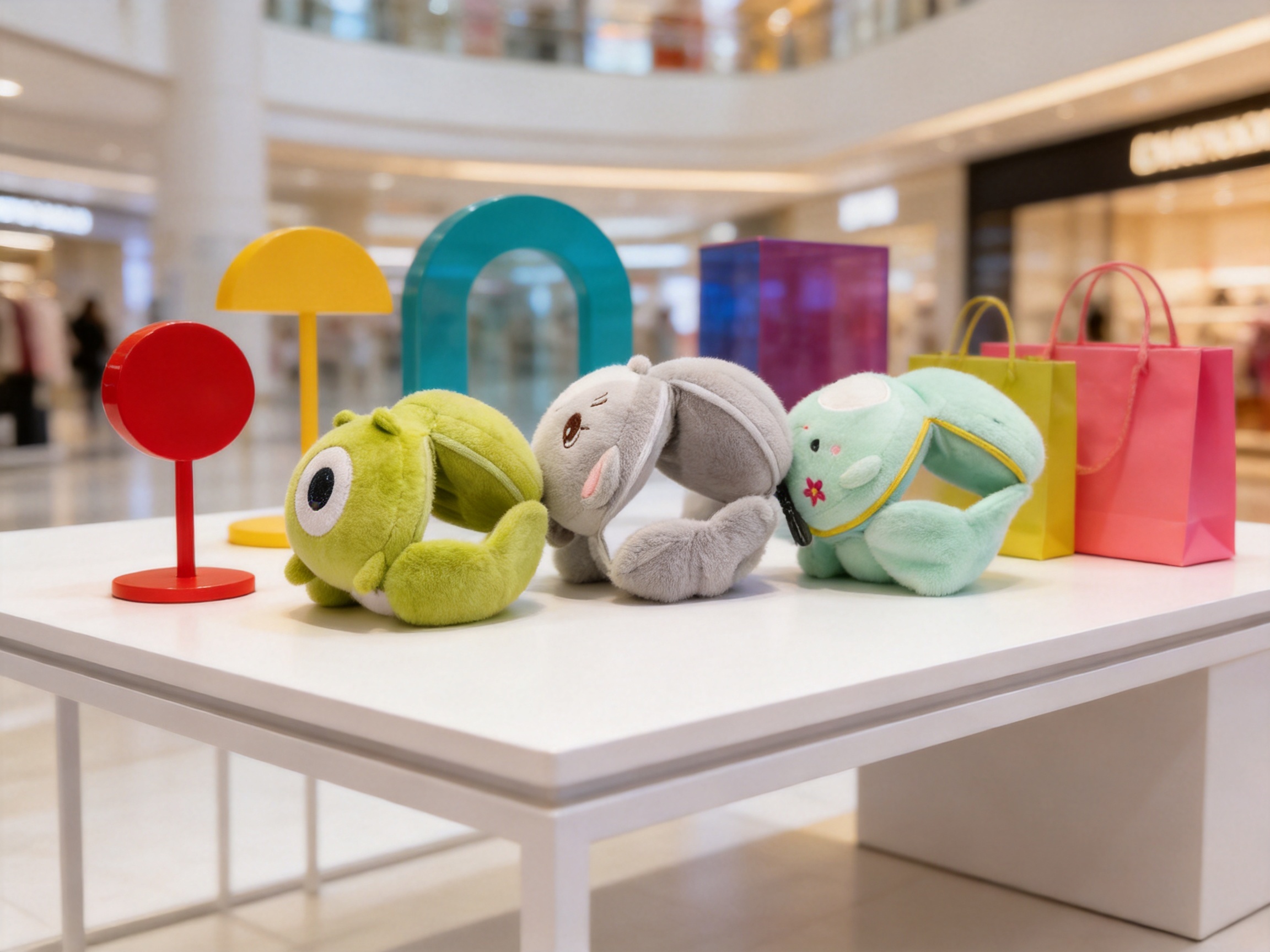
Promotional products must work visually before they work functionally. Animal Head Promotional Soft Toys can be arranged in groups, placed in baskets, positioned on shelves, or incorporated into themed event displays. Their colors and rounded forms help create an inviting atmosphere.
When three designs are displayed together, the group can communicate variety and abundance. This is useful for shopping centers and temporary event booths, where the overall appearance of a display influences whether customers stop and participate.
3.4 Stronger Collecting Potential
A set containing three animal-head designs naturally supports a collecting concept. A company can distribute one design per activity, purchase level, day, or promotional stage. This can encourage repeat participation while giving customers a clear reason to return.
Customization can extend this collecting potential. Different colors, seasonal editions, event-specific accessories, or character expressions may be introduced for different campaigns. Because the core product format remains consistent, a buyer can create a recognizable series without redesigning every production element from the beginning.
3.5 Suitable for Brand Storytelling
Animal characters can represent different qualities such as friendliness, energy, wisdom, courage, playfulness, or creativity. A business can use the three designs to support a simple story or campaign theme. For example, each animal may represent a product feature, a customer benefit, or one stage of an event experience.
This storytelling potential is more difficult to achieve with generic promotional products. Plush characters can become visual ambassadors for a campaign and may later be used in social media content, event photography, printed materials, or retail displays.
4. Product Materials and Construction
4.1 Soft Plush Fabric
The shell fabric is soft plush fabric selected to provide a comfortable hand feel and an attractive surface. Texture is essential for a stuffed toy because consumers often judge the product through touch as well as appearance. A smooth and pleasant surface encourages people to pick up the toy and interact with it.
Plush fabric also provides a suitable base for a range of colors and character details. Depending on the design, the surface may be coordinated with contrasting ears, facial components, decorative patches, or other visual features. The choice of fabric weight, pile, and color can be adjusted during the development process for customized orders.
4.2 PP Cotton Filling
PP cotton is used as the filling material. It helps the toys maintain a full, rounded appearance while keeping their weight manageable. The product specification lists a weight of approximately 150 grams per toy, making it convenient for handling, packing, transport, and event distribution.
Full stuffing is an important feature for promotional plush toys. Underfilled products may appear flat or less attractive, particularly when displayed on a counter or photographed for marketing use. A well-filled structure supports the animal-head silhouette and gives the toy a more substantial feel in the customer’s hands.
4.3 Compact Product Size
The standard size is approximately 15 centimeters, with customization available. This dimension offers a practical balance between visual presence and logistics. The toys are visible enough to make an impact but compact enough to fit in cartons, promotional bags, gift packages, and display containers.
For projects that require a larger visual impact, the size may be adjusted during the OEM or ODM development stage. Buyers can evaluate the relationship between size, material consumption, packaging requirements, shipping cost, and target retail or giveaway value before finalizing production.
4.4 Color Flexibility
Multiple color options allow the toys to be adapted to different marketing themes. Bright and fresh colors can support children’s campaigns, summer promotions, entertainment events, and retail activities. Softer colors may suit lifestyle brands, home-related products, or seasonal gift programs.
Color coordination is also useful for brand integration. A company may request colors that match its corporate palette or use a contrasting color scheme to create stronger visual recognition. Sample development enables buyers to review color combinations before approving mass production.
5. Customization and OEM/ODM Development
Customization is one of the most important advantages of working with a professional plush toy manufacturer. A promotional product is most effective when its design reflects the buyer’s identity, audience, and campaign purpose. OEM and ODM services allow the standard animal-head concept to become a distinctive custom product.
5.1 Design Customization
Buyers may develop new animal concepts or adapt the existing three-design format. Design adjustments can include head shape, ear structure, facial expression, eye style, nose shape, color blocking, decorative elements, and character proportions.
The design team can also help convert sketches, illustrations, mascots, or digital artwork into a plush-friendly structure. A two-dimensional image may require changes before it can be manufactured as a three-dimensional toy. Proportions, seam placement, stuffing access, and material behavior must all be considered during development.
5.2 Branding Applications
Promotional branding can be integrated in several ways depending on the character design and campaign objectives. Possible approaches include embroidered elements, printed labels, fabric tags, custom packaging, branded ribbons, campaign cards, or color coordination with the buyer’s visual identity.
The best branding approach is one that preserves the toy’s attractive character while making the promotional association clear. Excessive decoration may reduce visual appeal, while carefully positioned branding can strengthen recognition without making the product look overly commercial.
5.3 Sample Approval
The listed sample fee is 100 US dollars per design, and the sample lead time is approximately three to seven working days. Sampling gives buyers the opportunity to evaluate the physical result before placing a larger order.
During sample review, buyers can assess the product’s size, softness, filling level, color, facial expression, stitching, proportions, and overall resemblance to the approved concept. Any necessary adjustments can then be communicated before production begins.
A structured sample approval process reduces the risk of misunderstanding between artwork and finished goods. It also allows the manufacturer to identify technical issues early, such as areas that require additional support, seams that need adjustment, or details that may not reproduce effectively at the selected size.
5.4 Flexible Production Quantities
The listed minimum order quantity is 500 pieces. This quantity is practical for promotional campaigns that need meaningful distribution while remaining manageable for many business buyers. It can support a regional event, a retail launch, a trade show program, or a series of customer incentives.
For larger campaigns, production can be organized according to design, color, packaging, or delivery schedule. Buyers should confirm the allocation of quantities among different designs during the quotation and sampling stages so that production planning remains clear.
6. Manufacturing Strengths and Production Capability
Tianchang Bestjoy Craft & Gift Co., Ltd. is an integrated manufacturer specializing in research and development, design, production, and sales of plush products. This integrated structure is valuable because promotional toy projects often require coordination between creative design, material selection, sampling, manufacturing, quality control, packaging, and export logistics.
The company was established in 2013 as a joint venture between Hong Kong Jintong International Co., Ltd. and Tianyuan Enterprise Investment Management Co., Ltd. Its factory is located in Jinji Industrial Park, Tianchang City, Anhui Province, China, and covers more than 10,000 square meters.
A factory with substantial production space can support organized material storage, sample development, cutting, sewing, filling, finishing, inspection, and packing. The exact workflow may vary according to the product, but an integrated facility makes it easier to coordinate different stages and monitor progress.
6.1 Research and Development
Promotional plush toys must satisfy both creative and manufacturing requirements. The company’s R&D and design team supports the development of new shapes, trendy plush products, children’s toys, pet plush toys, promotional gifts, plush home furnishings, plush stationery gifts, handicrafts, and cartoon decorations.
This broad product experience can benefit buyers who want more than a basic stock item. Design knowledge gained from different plush categories can help the team understand how to create attractive characters, select suitable fabrics, maintain proportions, and translate concepts into repeatable production structures.
6.2 Production Equipment and Skilled Processes
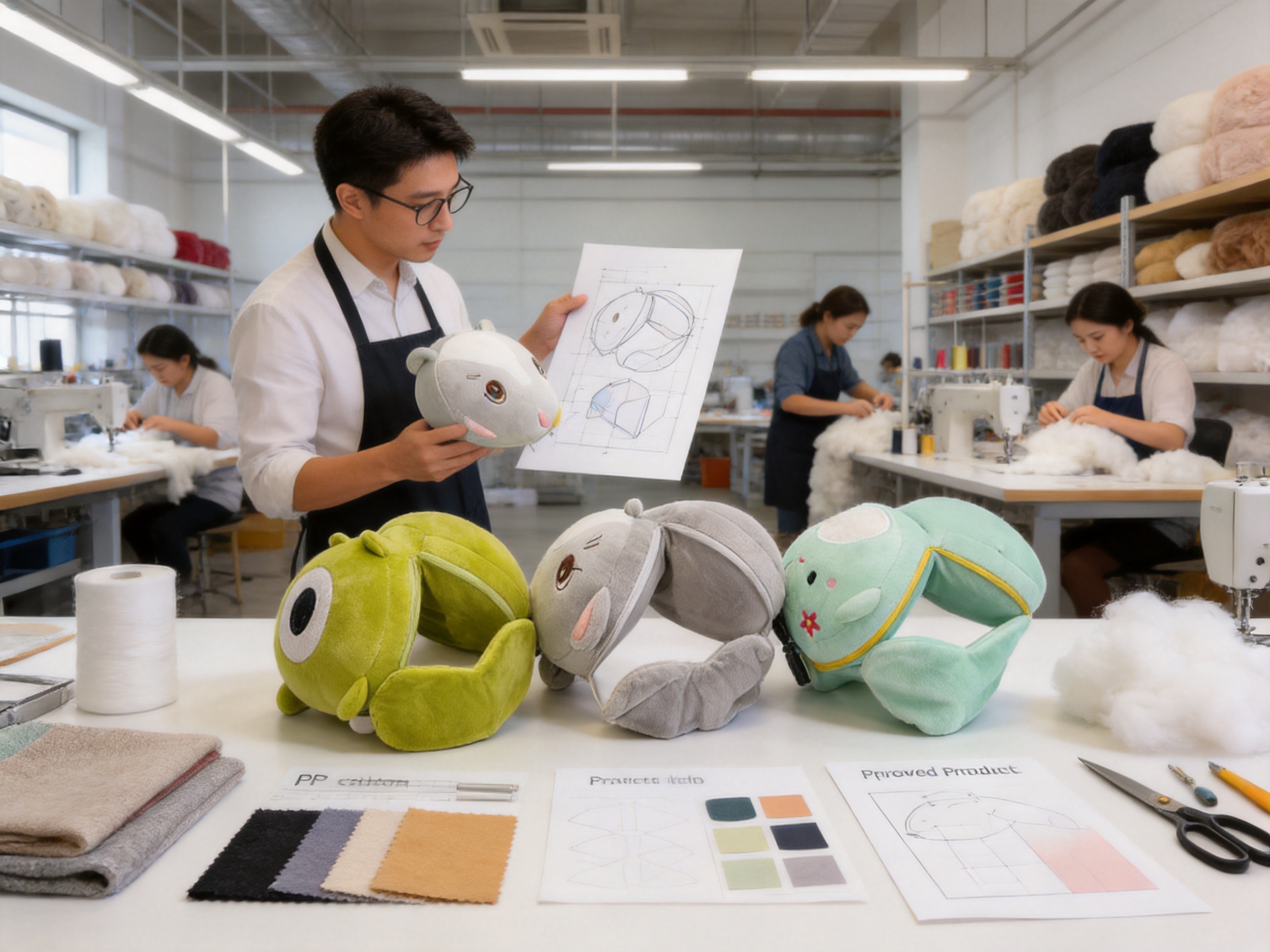
Plush toy manufacturing requires coordination among multiple processes. Typical stages include pattern development, fabric selection, material cutting, component sewing, detail application, filling, shaping, finishing, inspection, and packaging. Each stage influences the final appearance and durability of the product.
Professional production equipment supports consistency, while trained workers handle the detailed operations needed for character products. Facial features, curved seams, small components, and rounded forms require careful attention because minor differences can affect the expression and overall identity of the toy.
The combination of equipment, production experience, and process supervision is particularly important for a three-design promotional set. All designs must maintain a consistent level of softness, fullness, finishing quality, and visual appeal even when their shapes and details differ.
6.3 Quality Management
Quality management begins with confirming the approved sample and continues through production. Materials should be checked for color, texture, and suitability. Cut components should correspond to the approved patterns. Sewing and stuffing should maintain the intended form, and finished units should be reviewed before packing.
For promotional orders, consistency is especially important because large numbers of toys are distributed at the same event or through the same retail program. Buyers expect the products to look like one coordinated collection rather than a group of unrelated or unevenly finished items.
A practical inspection process may include checks of dimensions, appearance, stitching, filling, component placement, color matching, cleanliness, labeling, and packaging condition. The precise inspection requirements should be confirmed with the buyer according to the intended market and order specifications.
6.4 Export Experience
The company’s products are exported to Europe, America, Australia, Japan, and South Korea. This international customer base indicates experience with overseas communication, product development, packaging coordination, and shipment preparation.
Global buyers often require clear specifications, reliable documentation, consistent production updates, and careful attention to packaging. Experience serving international markets can help a manufacturer understand the importance of these requirements and coordinate with buyers across different time zones and business practices.
6.5 Customer and Retail Experience
The company serves major clients including Walmart, Target, Albertsons, and Kmart. Experience with large retail and commercial customers can strengthen understanding of product consistency, order coordination, packaging expectations, and delivery planning.
Although promotional orders may differ from retail programs, they share several important requirements. Both need stable quality, clear product specifications, dependable quantities, and packaging that protects the goods during transportation and storage.
7. Production Workflow for Animal Head Promotional Soft Toys
A clear manufacturing workflow helps convert a creative idea into a reliable promotional product. The following stages describe a typical development path for this type of plush toy.
7.1 Initial Brief and Requirement Confirmation
The process begins with a project brief. Buyers provide information about the intended use, target audience, estimated quantity, preferred size, desired colors, packaging needs, delivery destination, and campaign schedule.
At this stage, it is useful to identify whether the product will be distributed as a free giveaway, sold as merchandise, used as a purchase incentive, or included in a larger promotional package. The intended use may influence materials, labeling, packaging, and design complexity.
7.2 Artwork and Pattern Development
Once the concept is confirmed, the design is evaluated for three-dimensional production. Artwork is transformed into pattern pieces that can be cut and sewn. The manufacturer considers how the fabric will curve, where seams will be located, and how the filling will support the final shape.
For animal-head designs, the position of the ears, eyes, nose, mouth, and other facial elements must be carefully planned. Small changes in spacing can influence the expression. The pattern must also allow efficient assembly and consistent replication during mass production.
7.3 Material Selection
Soft plush fabric and PP cotton are the standard materials specified for this product. During customization, buyers may review fabric colors, surface textures, and alternative material options. Material decisions should consider the desired appearance, hand feel, durability, production feasibility, and budget.
Material selection is not only a visual decision. The fabric must perform well during cutting and sewing, while the filling must support the shape without making the toy excessively heavy or rigid. The final combination should match the product’s promotional purpose.
7.4 Sample Production
A sample is created for each design so that the buyer can review the physical product. The listed sample lead time is three to seven working days, although the actual schedule may depend on design complexity, material availability, and the number of revisions required.
Sample review should be systematic. Buyers can compare the prototype with the original artwork, measure the dimensions, assess the softness and fullness, review the color combination, and check whether the branding elements are positioned correctly.
7.5 Pre-Production Confirmation
Before bulk manufacturing, the buyer and manufacturer confirm the approved sample, quantity, color breakdown, packaging method, labeling, carton details, and delivery schedule. This stage is important because production changes become more difficult after the order has entered the manufacturing line.
Clear approval records help ensure that the production team works from one agreed standard. For a three-design set, the final documentation should clearly identify each design and specify the quantity required for every version.
7.6 Cutting, Sewing, and Assembly
Fabric is cut according to the approved patterns, and the components are sewn into the basic animal-head structure. Additional details are applied according to the design. This stage requires precision because the accuracy of the components affects symmetry, expression, and overall character quality.
Efficient assembly is essential when producing hundreds or thousands of promotional toys. Standardized patterns and work instructions help maintain consistency while allowing the factory to organize production in a practical sequence.
7.7 Filling and Shaping
PP cotton is inserted into the sewn shell to create the full, rounded appearance. The filling process must distribute the material evenly so that the toy does not have hollow areas, excessive firmness, or an uneven silhouette.
After filling, the toy is shaped and checked. The head should preserve the intended proportions, and the facial details should remain correctly positioned. Skilled finishing work helps ensure that the toys present well in displays and promotional photographs.
7.8 Final Inspection and Packing
Finished units are reviewed before packing. Inspection may focus on visual quality, dimensions, stitching, filling, surface cleanliness, color, and the placement of design details. Products that do not meet the approved standard can be identified before shipment.
The standard packaging information lists 12 pieces per carton, with a carton size of 43 liters by 25 centimeters by 18 centimeters, a gross weight of 3 kilograms, and a net weight of 2 kilograms. Buyers should confirm the final carton specifications if the product size, packaging, or quantity per carton is customized.
8. Packaging and Logistics Considerations
Packaging plays an important role in promotional plush toy projects because the products may travel through several stages before reaching the event or customer. Suitable carton packing helps protect the toys from compression, dust, handling, and transport-related damage.
The listed carton arrangement of 12 pieces per carton provides a manageable packing unit for storage and distribution. Buyers can organize the products by design or combine the three animal versions within each carton, depending on the campaign’s allocation plan.
Custom packaging can further improve the promotional presentation. Options may include individual bags, printed cards, branded cartons, display boxes, collection packaging, or event-specific labels. Packaging choices should be evaluated together with the target audience, distribution method, budget, and shipping requirements.
Delivery time is listed as approximately 45 days. The actual schedule may depend on order quantity, sample approval, customization complexity, material availability, packaging requirements, and shipping arrangements. Buyers should allow sufficient time for design confirmation, sampling, production, inspection, and transportation.
Early planning is particularly important for seasonal promotions, trade fairs, mall events, and product launches. Ordering well before the event date allows time for sample revisions and reduces the risk of schedule pressure.
9. Suitable Applications and Campaign Ideas
9.1 Shopping Mall Promotions
Shopping malls can use the plush toys as rewards for purchases, membership registrations, social media participation, or family activities. A bright display of the three animal-head designs can attract children and parents while creating a friendly atmosphere around the promotion area.
The toys can also support a collection campaign. Customers may receive one design for reaching a specified spending level and additional designs for returning on different days or completing additional activities.
9.2 Trade Shows and Exhibitions
At trade shows, exhibitors compete for limited visitor attention. A soft animal-head toy can make a booth more approachable and give sales representatives a natural opening for conversation. The product may be offered to qualified leads, visitors who scan a code, or participants who complete a product demonstration.
Because the toys are compact, exhibitors can transport them to the event and organize them at the booth without requiring excessive display space. Custom colors or branded details can help the giveaways remain connected to the exhibitor’s identity.
9.3 Product Launches
A new product often needs an attractive supporting item that can create excitement and encourage customers to remember the launch. The animal-head plush toys can be customized to represent a product mascot, campaign theme, or key product benefit.
For example, a company may use three animal characters to represent three product features. The characters can appear in promotional graphics, social media posts, booth decorations, and giveaway packaging, creating a consistent visual story across the launch campaign.
9.4 Children’s and Family Events
Family-oriented events benefit from products that are colorful, soft, and easy to understand. Animal-head plush toys can be used at school fairs, community activities, children’s festivals, holiday programs, and educational events.
The product can also be connected to games, storytelling, drawing activities, character performances, or photo opportunities. Its friendly appearance can help create a welcoming environment for younger participants.
9.5 Retail Purchase Incentives
Retailers can use plush toys as gifts with purchase, loyalty rewards, limited-time incentives, or seasonal merchandise. The three-design format allows retailers to create a series that encourages repeat purchases or customer participation.
In a retail setting, attractive packaging and clear collection information can make the campaign easier to understand. The product may be displayed near checkout areas, customer service counters, promotional aisles, or themed seasonal sections.
9.6 Seasonal Promotions
Fresh colors and animal characters can be adapted for spring, summer, autumn, winter, holiday, back-to-school, or vacation campaigns. Seasonal accessories, color combinations, tags, and packaging can help the product match the overall theme without changing its basic construction.
Seasonal customization should be planned early because campaign dates are fixed. The listed 45-day delivery time should be considered alongside sample development and shipping time when creating the project schedule.
10. How the Product Supports Brand Engagement
A successful promotional product should encourage an interaction rather than merely carry a logo. The Animal Head Promotional Soft Toys can be incorporated into activities that make customers feel involved.
One approach is to allow customers to choose their preferred animal design. Choice increases participation because people are more likely to engage when they can select an item that matches their personal preference.
Another approach is to create a simple challenge based on collecting all three designs. This can be connected to visits, purchases, event activities, online engagement, or referrals. The collection concept gives the promotion a clear structure and a reason for customers to remain interested.
The toys can also be used as photo props. Customers may photograph the products at an event, share the images online, and connect the posts to a campaign hashtag or promotional message. The soft toys then become part of user-generated content rather than remaining only as physical gifts.
For companies with existing mascots or character systems, the animal-head format can serve as a starting point for a broader product family. Future projects may include full-body plush toys, keychain versions, cushions, ornaments, stationery accessories, or seasonal character editions.
11. Buyer Evaluation Checklist
When evaluating a promotional plush toy supplier, buyers should consider more than the appearance of a sample. The manufacturer’s ability to manage the full project can have a major effect on the final result.
| Evaluation Area | Important Considerations |
| Design | Animal shape, expression, proportions, color plan, and branding position |
| Materials | Soft plush fabric, PP cotton filling, surface feel, color consistency, and suitability for the target market |
| Size | Standard 15-centimeter format or customized dimensions according to the campaign |
| Sampling | Sample fee, sample lead time, revision process, and approval requirements |
| Production Quantity | Minimum order quantity of 500 pieces and quantity allocation among designs |
| Quality Control | Inspection of appearance, filling, stitching, dimensions, cleanliness, and packaging |
| Packaging | Individual packing, carton quantity, branding, protection, and display requirements |
| Delivery | Approximate 45-day delivery period and additional time for shipping or customs |
| Customization | OEM/ODM support for colors, dimensions, character details, labels, and packaging |
| Supplier Capability | R&D resources, production facility, export experience, customer service, and after-sales support |
This checklist helps buyers compare suppliers based on complete project performance rather than unit price alone. A low initial quotation may not provide the best value if the supplier cannot support design revisions, maintain consistent quality, or meet the required delivery schedule.
12. Commercial Value and Cost Efficiency
Promotional products should be evaluated according to their total campaign value. Unit price is important, but other factors also influence the return on investment. A plush toy that attracts more visitors, generates more interaction, remains in the customer’s home, and supports repeat engagement may deliver greater long-term value than a cheaper but less memorable item.
The standard 15-centimeter size and approximately 150-gram weight help keep the product practical for larger quantities. The listed carton packing of 12 pieces per carton supports organized storage and distribution. These factors can assist buyers in planning warehouse space, event transportation, and allocation by location.
The three-design format may also improve campaign flexibility. A buyer can distribute the designs equally or assign them to different customer groups, event stages, or sales targets. This allows one product family to support several promotional mechanics without requiring three completely unrelated products.
Customization should be planned with cost control in mind. Complex shapes, numerous small details, special fabrics, elaborate accessories, and customized packaging may increase development and production costs. A professional manufacturer can help buyers balance visual impact with production efficiency.
13. Company Service and Partnership Benefits
Tianchang Bestjoy Craft & Gift Co., Ltd. presents itself as a complete plush product partner rather than only a production workshop. Its services include research and development, design, manufacturing, sales, in-stock services, and after-sales support.
This broader service structure can be useful for buyers who do not have an internal product development team. Instead of supplying only a finished drawing, a buyer can discuss the intended campaign and receive support in selecting an appropriate size, material, color direction, production format, and packaging solution.
The company’s product range includes trendy plush toys, children’s plush toys, pet plush toys, promotional plush gifts, plush home furnishings, plush stationery gifts, plush handicrafts, and plush cartoon decorations. This range demonstrates experience across different applications and product styles.
Annual sales exceeding 12 million RMB and export activity across several international markets indicate an established business operation. Buyers should still confirm the specific requirements of each project, but an established factory structure can provide a stronger foundation for long-term cooperation than a supplier focused only on isolated orders.
The company welcomes customers worldwide and offers OEM and ODM cooperation. This makes the Animal Head Promotional Soft Toys suitable both for buyers seeking a ready product and for organizations that want a tailored character or campaign series.
14. Responsible Product Planning
Promotional products should be planned responsibly, especially when they may be distributed to children or used in family environments. Buyers should communicate their target market and intended use clearly so that material, component, labeling, packaging, and inspection requirements can be reviewed appropriately.
Design simplicity can support responsible production. The animal-head format focuses on soft forms and character details without requiring excessive mechanical parts or complicated structures. Nevertheless, each customized project should be evaluated according to its own features and destination-market requirements.
Buyers should also avoid unnecessary overproduction. Estimating event attendance, expected conversion, retail demand, and reserve quantities can help reduce waste and improve campaign efficiency. Because the toys are suitable for multiple promotional purposes, remaining inventory may be redirected to future events if the design is not tied too closely to a single date.
15. Frequently Asked Questions
Q1: What is included in the Animal Head Promotional Soft Toys set?
The set includes three plush toys featuring animal-head designs. The toys have innovative shapes, fresh colors, soft plush fabric, and PP cotton filling. The designs can be produced as a coordinated promotional collection.
Q2: What is the standard size?
The standard size is approximately 15 centimeters. Customized dimensions can be discussed for projects that require a different display presence, retail format, or promotional purpose.
Q3: How much does each toy weigh?
The listed product weight is approximately 150 grams per toy. The final weight may vary if the buyer requests a different size, fabric, filling amount, accessories, or packaging method.
Q4: What materials are used?
The shell is made from soft plush fabric, and the filling material is PP cotton. These materials provide a soft hand feel, a full appearance, and a lightweight structure suitable for promotional distribution.
Q5: Can the colors be customized?
Yes. Multiple color options are available, and customized color combinations can be developed to match a brand identity, campaign theme, season, or character concept.
Q6: Can the animal designs be changed?
OEM and ODM services are available. Buyers can discuss new animal concepts or adapt the existing designs through changes to the shape, expression, colors, proportions, decorative details, and packaging.
Q7: What is the minimum order quantity?
The listed minimum order quantity is 500 pieces. Buyers should confirm the final quantity according to the number of designs, packaging requirements, and customization details.
Q8: What is the sample fee?
The listed sample fee is 100 US dollars per design. The sample allows the buyer to review the physical shape, size, color, softness, filling, finishing, and other details before bulk production.
Q9: How long does sample development take?
The listed sample lead time is three to seven working days. The actual time may depend on design complexity, material availability, and the number of revisions required.
Q10: How long is the delivery time?
The listed delivery time is approximately 45 days. Buyers should confirm the schedule based on order quantity, customization, sample approval, packaging, production planning, and shipping arrangements.
Q11: How are the products packed?
The standard packaging information lists 12 pieces per carton. The carton size is listed as 43 liters by 25 centimeters by 18 centimeters, with a gross weight of 3 kilograms and a net weight of 2 kilograms. Customized packaging should be confirmed separately.
Q12: Where can these plush toys be used?
They are suitable for mall promotions, trade shows, exhibitions, product launches, retail incentives, family events, children’s activities, seasonal campaigns, customer rewards, and other promotional settings.
Q13: Why are these toys different from ordinary promotional gifts?
They combine distinctive animal character designs, a soft tactile surface, full PP cotton filling, multiple color options, and collection potential. Their visual and emotional appeal can help them remain in customers’ homes or personal spaces longer than many disposable promotional items.
Q14: Does the manufacturer support international orders?
Yes. The company exports products to Europe, America, Australia, Japan, and South Korea and serves customers in international markets. Buyers should discuss destination-specific requirements during project planning.
Q15: Can the company provide other plush products?
Yes. The company’s product range includes trendy plush toys, children’s plush toys, pet plush toys, promotional plush gifts, plush home furnishings, plush stationery gifts, plush handicrafts, and plush cartoon decorations.
16. Conclusion
Animal Head Promotional Soft Toys offer an attractive combination of emotional appeal, visual recognition, practical size, customization flexibility, and promotional versatility. The three-design format creates opportunities for collecting, customer choice, event interaction, and campaign storytelling. Soft plush fabric and full PP cotton filling give the products a comfortable hand feel and a substantial appearance, while the standard 15-centimeter size supports efficient distribution and storage.
Compared with conventional promotional merchandise, these toys can provide stronger display impact, higher perceived gift value, and greater potential for long-term retention. They can welcome visitors at mall events, attract attention at trade shows, support retail incentives, and become memorable souvenirs from product launches or seasonal campaigns.
The manufacturing capabilities of Tianchang Bestjoy Craft & Gift Co., Ltd. further strengthen the product’s commercial value. With an integrated R&D, design, production, sales, and after-sales structure, a factory covering more than 10,000 square meters, international export experience, and OEM/ODM support, the company is positioned to handle both standard promotional orders and customized plush development projects.
For buyers seeking a distinctive promotional product, the key advantage is not simply that the toy is soft or attractive. Its greater value comes from the combination of character design, tactile quality, customization, manufacturing coordination, and flexible campaign use. When supported by careful sampling, clear specifications, suitable packaging, and early production planning, Animal Head Promotional Soft Toys can become an effective and memorable part of a broader marketing strategy.
References
1. Tianchang Bestjoy Craft & Gift Co., Ltd. Product Specification Sheet: Animal Head Promotional Soft Toys.
2. Tianchang Bestjoy Craft & Gift Co., Ltd. Company Profile and Manufacturing Capability Information.
3. Promotional Products Association International. Principles of Promotional Product Planning and Brand Engagement.
4. Textile Exchange. General Reference Materials on Textile Fibers, Materials, and Responsible Product Development.
5. International Organization for Standardization. General Quality Management Principles for Manufacturing and Supply Operations.