en
en  русский
 Español
 عربى
عربى
Content
- 1 1. The Product Concept: Where Softness Meets Character
- 2 2. Key Product Specifications
- 3 3. Materials and Tactile Experience
- 4 4. Color Development and Design Inspiration
- 5 5. Vinyl Face Construction and Character Definition
- 6 6. Advantages Over Basic Competing Plush Dolls
- 7 7. Manufacturing Capabilities and Production Strengths
- 8 8. Quality Control Considerations
- 9 9. OEM and ODM Customization Options
- 10 10. Commercial Applications
- 11 11. Retail and Marketing Advantages
- 12 12. Order Planning and Procurement Guidance
- 13 13. Sustainability and Responsible Product Development
- 14 14. Care, Handling, and User Experience
- 15 15. Why an Integrated Manufacturer Matters
- 16 16. A Practical Positioning Statement
- 17 17. Conclusion
- 18 Questions and Answers
- 18.1 What is a vinyl face rag doll?
- 18.2 What is the standard size of this doll?
- 18.3 How much does the standard doll weigh?
- 18.4 What color is available as standard?
- 18.5 What materials are used?
- 18.6 Can the hair be combed and styled?
- 18.7 What is the minimum order quantity?
- 18.8 How much is the sample fee?
- 18.9 How long does sample development take?
- 18.10 How long is the delivery time?
- 18.11 Can the face, clothing, and packaging be customized?
- 18.12 Who can purchase this product?
- 18.13 What makes this doll different from a basic stuffed toy?
- 18.14 Can the product be used as a promotional gift?
- 18.15 What should buyers confirm before placing an order?
- 19 References
- 20 Product: Adorable vinyl face rag dolls
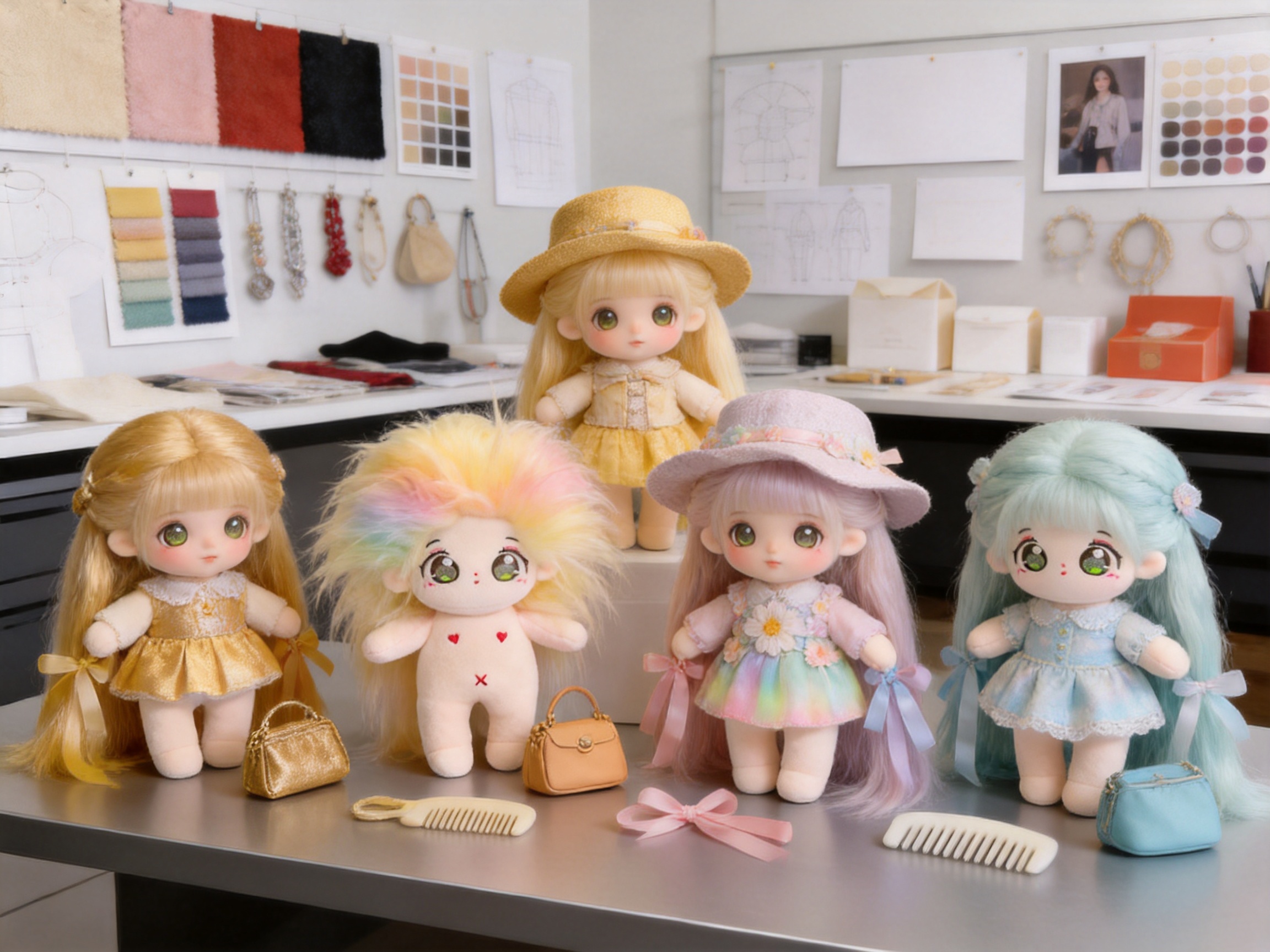
Adorable vinyl face rag dolls combine the comforting character of a traditional soft doll with the expressive appearance of a carefully molded vinyl face. They are designed for children, collectors, gift buyers, lifestyle retailers, promotional programs, and brands seeking a distinctive plush product with strong visual appeal. Their appeal comes from the balance between softness, styling potential, light weight, color individuality, and an imaginative design language inspired by natural scenery.
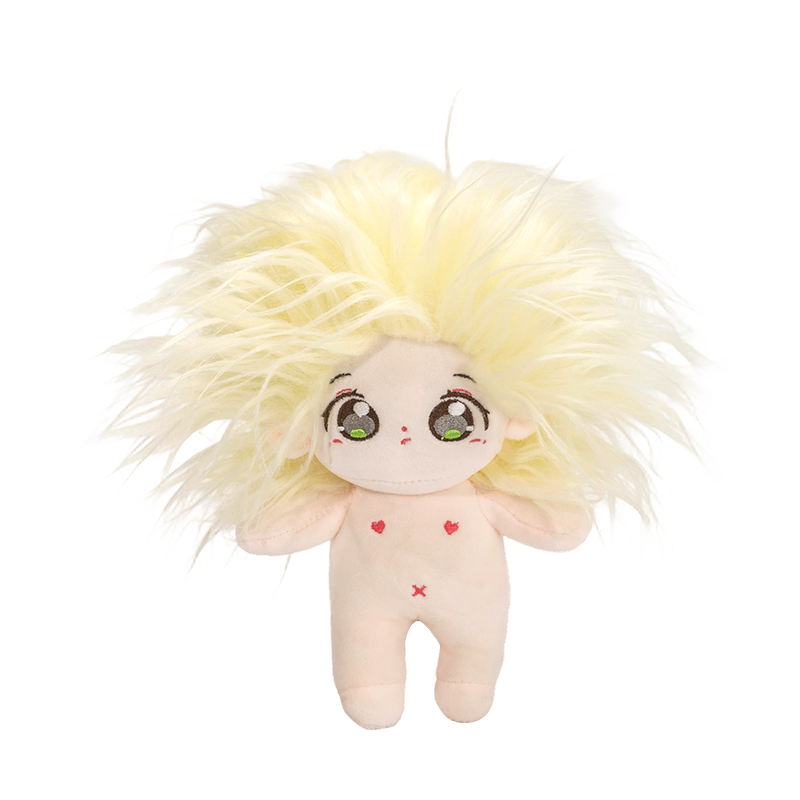
This particular rag doll concept is built around a warm gold-yellow color palette, ultra-soft plush materials, a lightweight PP cotton filling, and hair designed to be combed and styled. At approximately 18 centimeters in height and 90 grams in weight, the doll is compact enough for children to carry, display, or include in imaginative play. At the same time, its face, color treatment, and tactile finish give it a more premium appearance than many basic fabric dolls.
The product is manufactured by Tianchang Bestjoy Craft & Gift Co., Ltd., an integrated plush product manufacturer based in Anhui, China. The company provides research and development, design, production, sales, OEM and ODM services, and after-sales support. Its experience in plush toys, promotional gifts, home products, stationery gifts, handicrafts, and cartoon decorations allows it to serve multiple product categories and customer requirements.
This article examines the design concept, materials, construction, manufacturing capabilities, customization options, quality considerations, commercial advantages, and practical uses of adorable vinyl face rag dolls. It also explains why this type of product can be a strong choice for retailers, wholesalers, toy brands, gift companies, and organizations developing a custom plush collection.
1. The Product Concept: Where Softness Meets Character
Rag dolls have a long history because they offer a friendly, approachable form of play. Their soft bodies make them comfortable to hold, while their simple construction gives them a handmade or comforting personality. Vinyl face rag dolls preserve these traditional advantages while adding a more defined facial structure. The vinyl face provides a clear focal point, allowing the eyes, nose, mouth, and overall expression to be presented with greater precision than a fully embroidered fabric face.
The result is a hybrid product. It is not simply a hard-faced doll and not merely a conventional stuffed animal. The soft body offers a warm and flexible tactile experience, while the vinyl face adds visual definition. This combination gives the doll a distinctive identity that can be used in children’s role-play, seasonal collections, lifestyle displays, promotional campaigns, and character-based merchandising.
The design statement behind the product connects visual creativity with emotional comfort. Its inspiration comes from dandelions drifting through morning mist and from the color spectrum associated with the aurora borealis. These references create an aesthetic that feels light, dreamy, natural, and contemporary. Instead of relying on a plain single-color body, the design uses color relationships and surface texture to create a more expressive appearance.
For buyers, this design direction offers a significant advantage. The doll can fit into a modern lifestyle product range rather than being limited to a conventional toy aisle. Its soft form makes it suitable for children, while its carefully developed colors and decorative styling may also attract teenagers, collectors, gift shoppers, and consumers interested in comforting home accessories.
A recognizable visual identity
A successful plush product must be recognizable at a glance. The gold-yellow color gives this doll a warm and optimistic visual identity. Yellow is often associated with sunlight, flowers, happiness, energy, and friendliness. When combined with soft plush textures and a gentle facial expression, it can produce a product that feels welcoming rather than intimidating.
The vinyl face further strengthens recognition. A fabric face can be soft and charming, but a molded face creates more consistent proportions and a stronger character silhouette. For a brand or retailer, this can make it easier to build a repeatable product line. The same facial structure can potentially be adapted to different outfits, hairstyles, colors, accessories, or seasonal themes through OEM and ODM development.
The long, fluffy hair is another important visual feature. With hair reaching up to approximately 10 centimeters, the doll has a more expressive silhouette than a short-haired rag doll. The hair is designed to feel light and cloud-like while remaining smooth enough to support combing and styling. This gives the product an interactive element that encourages children to create different looks and stories.
2. Key Product Specifications
The standard product is designed as a compact plush doll with a soft body, vinyl face, styled hair, and a gold-yellow appearance. Its dimensions and weight make it practical for display, packaging, shipping, and everyday handling. Customers who require different proportions, colors, or finishing details can discuss customized specifications through the OEM and ODM process.
| Specification | Standard Information |
| Product type | Vinyl face rag doll |
| Category | Plush dolls and rag dolls |
| Size | 18 cm, or customized |
| Weight | Approximately 90 g |
| Color | Gold yellow |
| Shell fabric | Super-soft plush |
| Filling material | PP cotton |
| Hair length | Up to approximately 10 cm |
| OEM and ODM | Available |
| Minimum order quantity | 1,000 pieces |
| Sample fee | 100 US dollars per design |
| Sample development time | 3 to 7 working days |
| Standard delivery time | Approximately 45 days |
The stated specifications provide a starting point for procurement and product planning. The 18-centimeter size is suitable for small gift boxes, children’s accessories, retail shelves, online fulfillment, and promotional distribution. A 90-gram weight helps keep the product easy to hold and relatively economical to transport compared with larger plush items.
The use of PP cotton filling creates a soft and resilient interior. PP cotton is widely used in plush manufacturing because it can provide a balanced combination of lightness, volume, and softness. The filling can be adjusted during development to achieve different levels of firmness. A customer may prefer a more squeezable body for a comfort product or a slightly firmer structure for a display-focused collectible.
The specification also supports customization. Buyers may request changes to size, color, clothing, hair, face details, labels, packaging, accessories, and other visual elements. Customization is especially valuable for brands that want a unique character rather than a generic doll. It can also help retailers create exclusive seasonal editions or limited collections.
Adorable vinyl face rag dolls
3. Materials and Tactile Experience
Touch is one of the most important factors in the success of a plush product. Consumers often decide whether a plush toy feels appealing within seconds of handling it. A product may have an attractive design, but if the fabric feels rough, the filling is uneven, or the hair tangles easily, the overall impression can suffer. This doll is designed around an ultra-soft plush body intended to create a comfortable and inviting tactile experience.
The shell fabric is described as bio-mimetic velvet, a term that communicates a surface designed to imitate the softness and visual richness of natural textures. Its smooth hand feel is intended to resemble a soft, cloud-like surface. The material provides a gentle contrast to the more structured vinyl face, helping the doll feel both polished and comforting.
Soft plush fabric also supports the product’s lifestyle positioning. The doll can be placed on a bed, sofa, reading chair, desk, shelf, or child’s room display. Its texture allows it to function not only as a toy but also as a decorative comfort object. This versatility is important for modern consumers, many of whom prefer products that serve more than one purpose.
Hair designed for creative interaction
The long hair is one of the product’s clearest interactive advantages. Children can comb it, arrange it, and create different styles during role-play. This encourages a form of open-ended play in which the doll does not dictate a single story. Instead, the child can imagine the doll as a friend, performer, traveler, student, fantasy character, or family member.
Hair styling can also support social play. Children may work together to create hairstyles, choose outfits, and invent character narratives. These activities can encourage communication, turn-taking, fine motor coordination, and creative decision-making. For gift buyers, this interactive quality can make the product feel more substantial than a plush item intended only for passive display.
From a commercial perspective, styling potential creates opportunities for accessories and repeat purchases. A doll line may be expanded with combs, miniature clothing, hair ribbons, seasonal outfits, themed shoes, bags, hats, or other small accessories. These additions can help a retailer develop a broader merchandise ecosystem around the core doll.
PP cotton filling and lightweight construction
PP cotton filling is used to give the rag doll its soft internal volume. The material is lightweight, making the finished item easy to carry and convenient for shipping. It can also help the doll retain a rounded, attractive shape when properly distributed throughout the body.
Even filling distribution is essential. If the filling is concentrated in one area, the body may appear uneven or lose its intended silhouette. Professional plush production therefore requires controlled filling, shaping, closing, and final inspection. The manufacturing experience of an integrated plush factory is valuable at this stage because production teams can coordinate material preparation, sewing, stuffing, and finishing rather than treating each step as an isolated task.
4. Color Development and Design Inspiration
The gold-yellow color of the standard doll is more than a basic decorative choice. Color influences emotional response, product positioning, shelf visibility, and collection planning. A warm yellow can make the doll stand out in online images and retail displays, particularly when placed beside pastel, neutral, or darker plush products.
The broader design concept draws inspiration from the aurora borealis spectrum and natural plant dyeing techniques. This combination suggests an interest in colors that shift, blend, and interact rather than appearing completely flat. Although the standard specification identifies gold yellow, the concept may be adapted for customized versions featuring gradient colors, atmospheric palettes, seasonal tones, or nature-inspired combinations.
Gradient color development can be particularly useful for limited editions. A retailer might request sunrise tones, ocean colors, spring flower shades, winter whites, or night-sky hues. A brand might use its own color system to create a recognizable character family. Since OEM and ODM services are available, these ideas can be discussed during the sample development stage.
Natural plant dyeing techniques are also relevant to brands seeking a more organic visual story. Customers should confirm the exact dyeing process, colorfastness standards, material composition, and testing requirements for a specific order. However, the design direction itself provides a strong foundation for collections connected to nature, wellness, environmental themes, gardens, flowers, or calming interiors.
Why color variation can add value
One of the advantages of a carefully developed color concept is that each piece can appear visually lively. Subtle interactions between surface texture, lighting, and color may create a sense of depth. This is particularly beneficial for photography, social media merchandising, and gift packaging, where the product needs to capture attention quickly.
For mass production, color consistency remains important. A professional manufacturer must balance the artistic intention of a gradient or special color effect with the practical need to reproduce the appearance across a large order. The sample should therefore be approved before production, and the buyer should clarify acceptable tolerances for color, fabric nap, face appearance, hair tone, and other details.
5. Vinyl Face Construction and Character Definition
The vinyl face is a central feature that distinguishes this product from a traditional soft rag doll. It provides a structured area for the facial design and can help maintain a consistent appearance from one doll to another. For character merchandise, consistency is critical because the face often carries the emotional identity of the product.
A well-designed vinyl face should be proportionate to the soft body, comfortable to handle, and visually integrated with the plush materials. The transition between the face and fabric must be carefully considered. Neat attachment, balanced positioning, and clean finishing help prevent the product from appearing assembled from unrelated parts.
The face can also support different character expressions. Depending on the customer’s requirements, the facial design may be adapted through changes to eye shape, color, mouth expression, printed details, or other decorative features. These choices can transform the same basic product structure into a cheerful child character, an animal-inspired figure, a fantasy doll, or a brand mascot.
Compared with fully fabric-based dolls, a vinyl face may provide stronger visual definition and more repeatable character details. Compared with entirely molded dolls, the rag doll body remains softer, lighter, and more suitable for cuddling. This balance is one of the product’s most important competitive advantages.
6. Advantages Over Basic Competing Plush Dolls
Many plush dolls compete primarily on low price or simple appearance. While affordability can be important, a product with stronger design, tactile quality, and customization potential may offer greater long-term value. Adorable vinyl face rag dolls are positioned to compete through differentiation rather than through basic construction alone.
Distinctive hybrid construction
The combination of a vinyl face and soft rag-doll body gives the product a recognizable identity. Basic stuffed dolls may have a uniform fabric exterior, while hard-bodied dolls may lack the warmth and flexibility associated with plush toys. This product occupies a middle position that can appeal to consumers who want character definition without sacrificing softness.
Interactive styling potential
Short-haired or fixed-style plush toys may offer limited opportunities for active play. The longer hair of this doll creates additional interaction. Children can comb and style it, helping the product remain interesting after the first unboxing. The styling function also gives parents and gift buyers a clear explanation of how the doll supports imaginative activity.
Premium tactile positioning
Super-soft plush fabric can improve the first-touch experience and make the doll more attractive as a comfort item. In a competitive retail environment, consumers often compare plush products by softness, fullness, stitching, and overall finish. A carefully selected velvet-like plush material can help the doll feel more refined than a low-grade alternative.
Compact logistics profile
An 18-centimeter, approximately 90-gram product can be easier to package, store, and distribute than a larger plush toy. It can fit into compact gift packaging and may support efficient shipping for online orders. For promotional programs, a smaller item can also be easier to hand out at events, include in subscription boxes, or combine with other products.
Flexible customization
The availability of OEM and ODM services allows buyers to develop a product that fits their market. Customization can include size, color, hair, facial expression, clothing, labels, packaging, and accessories. This is a competitive advantage over suppliers that only offer fixed catalog items and cannot support design adaptation.
Collection-building potential
A single doll can become the starting point for a broader collection. Different colors, hairstyles, outfits, expressions, and seasonal themes can be introduced while preserving a recognizable basic structure. Collection-building helps retailers encourage repeat purchases and gives brands more opportunities for storytelling.
| Competitive factor | Adorable vinyl face rag dolls | Basic fabric dolls | Hard-bodied dolls |
| Facial definition | Structured vinyl face with clear character focus | Usually dependent on embroidery or printed fabric | Usually strong and consistent |
| Body softness | Soft plush rag-doll body | Generally soft | Often limited by rigid construction |
| Hair interaction | Long hair supports combing and styling | Varies; often fixed or short | May support styling but can feel less cuddly |
| Display appeal | Combines color, texture, and character structure | May rely on simple fabric decoration | Often visually defined but less soft |
| Customization | OEM and ODM development available | Depends on supplier capability | May require specialized molding investment |
| Typical handling experience | Light, soft, and portable | Soft and portable | More structured and potentially heavier |
The comparison is not intended to suggest that one type of doll is suitable for every consumer. Instead, it shows how the hybrid design can occupy a valuable position for buyers seeking softness, character, styling, and customization in one product.
7. Manufacturing Capabilities and Production Strengths
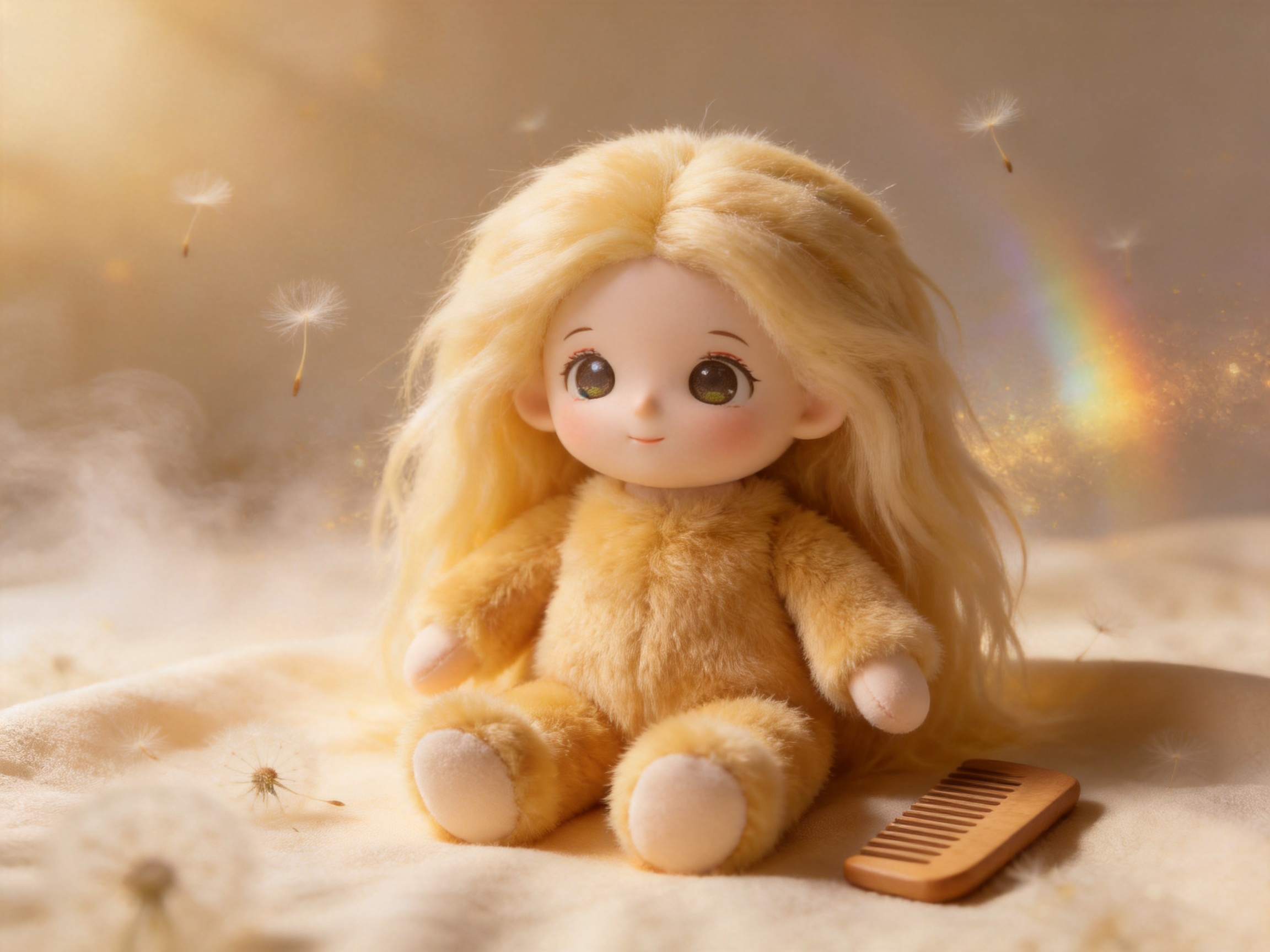
Tianchang Bestjoy Craft & Gift Co., Ltd. is described as an integrated manufacturer specializing in research and development, design, production, sales, and service. This integrated structure is important for customers developing a new plush product because the quality of the final item depends on coordination across many stages.
The company was established in 2013 as a joint venture between Hong Kong Jintong International Co., Ltd. and Tianyuan Enterprise Investment Management Co., Ltd. Its factory is located in Jinji Industrial Park, Jinji Town, Tianchang City, Anhui Province, China, and covers more than 10,000 square meters. The company reports annual sales exceeding 12 million RMB and exports products to Europe, America, Australia, Japan, and South Korea.
Its customer base is described as including major retail groups such as Walmart, Target, Albertsons, and Kmart. Experience serving large buyers can be valuable because major retail programs generally require clear communication, stable production scheduling, consistent quality, packaging compliance, and reliable delivery coordination.
The company’s product range includes trendy plush toys, children’s plush toys, pet plush products, promotional gifts, plush home furnishings, plush stationery gifts, plush handicrafts, and plush cartoon decorations. This breadth indicates familiarity with multiple product formats, from small promotional items to decorative and character-based plush products.
Research and development
Research and development is especially important for a product with a specialized visual concept. The vinyl face, long hair, gradient-inspired color direction, and soft body must work together as one design. The company’s R&D and design team can help translate a customer’s concept into a production-ready sample.
A typical development process begins with a design brief. The buyer may provide sketches, reference images, dimensions, color requirements, target age group, packaging ideas, and expected retail position. The design team then evaluates the concept in relation to available fabrics, construction methods, face components, hair materials, filling, and production feasibility.
Sample development provides an opportunity to review the product’s proportions and tactile qualities. The sample fee for this product is listed as 100 US dollars per design, and the sample time is approximately 3 to 7 working days. Actual timing may depend on design complexity, material availability, number of revisions, and the required level of customization.
Production process
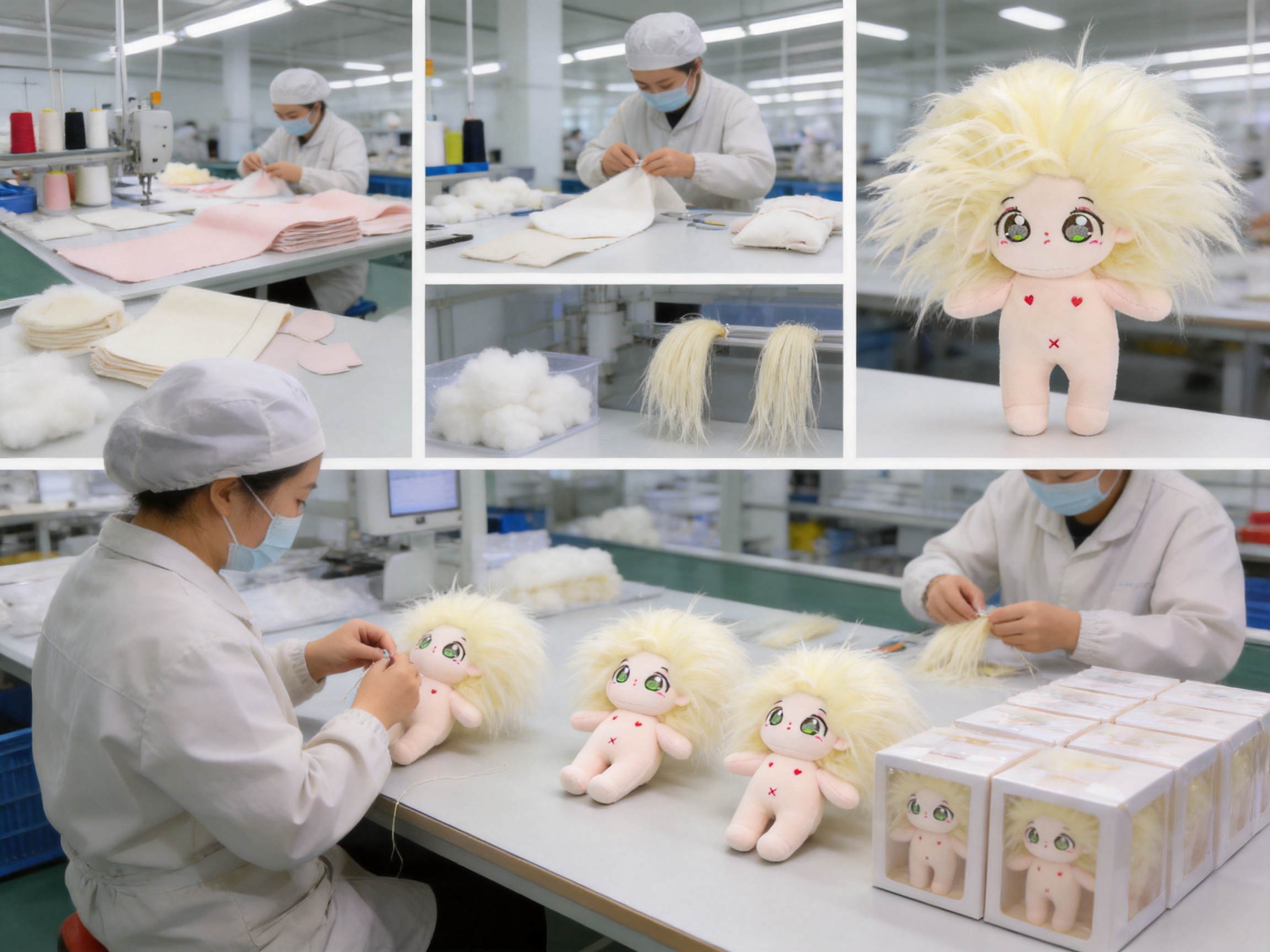
Although the exact internal production sequence may vary by order, a professional vinyl face rag doll manufacturing process generally includes material selection, pattern development, fabric cutting, sewing, face preparation, hair attachment, stuffing, shaping, assembly, finishing, inspection, and packaging.
Material selection establishes the appearance and touch of the product. The manufacturer must confirm the plush fabric, vinyl face material, hair material, thread, filling, labels, accessories, and packaging components. The materials must work together in terms of color, texture, durability, and visual proportion.
Pattern development determines the shape of the soft body. A well-balanced pattern helps the doll sit or stand attractively, supports the desired silhouette, and leaves sufficient allowance for sewing and stuffing. Pattern adjustments may be required after the first sample because the final appearance can change when soft materials are filled and shaped.
Fabric cutting must be controlled to maintain consistency. Plush fabric has a directional surface, often referred to as the nap, and the direction can affect how light reflects from the finished doll. Cutting pieces in inconsistent directions may create visible differences in shade or texture. Careful production planning helps maintain a uniform appearance across the order.
Sewing joins the body components and establishes the structural integrity of the rag doll. Seam quality, stitch density, curve control, and thread trimming all affect the finished product. Areas that receive frequent handling, such as the arms, legs, hairline, and face attachment area, require particular attention.
Face preparation and assembly require precision because the face is a prominent visual element. The face should be positioned symmetrically and attached securely to the body. Any printed, painted, or decorative facial details must be checked for clarity and consistency with the approved sample.
Hair attachment is another important stage. The hair should be placed according to the design specification and finished so that it presents a full, attractive appearance. Since the product is intended to support combing and styling, the hair should be evaluated for smoothness, manageability, and attachment strength during development and inspection.
Stuffing and shaping determine the doll’s softness and body balance. PP cotton must be distributed evenly to prevent hollow areas, excessive firmness, or an irregular silhouette. Skilled workers and suitable production equipment help maintain a consistent result across multiple units.
Final finishing may include trimming loose threads, arranging the hair, checking the face, correcting minor surface issues, applying labels, adding accessories, and preparing the doll for packaging. A final inspection helps identify problems before goods are packed and shipped.
Equipment and production coordination
The company is described as having professional production equipment, an innovative R&D and design team, an experienced sales team, and a comprehensive after-sales service team. For buyers, the value of these capabilities lies in coordination. A creative idea is useful only when it can be translated into stable production, and a stable product is commercially useful only when it can be communicated, delivered, and supported properly.
An integrated factory can reduce the communication gaps that sometimes occur when design, sampling, production, and finishing are handled by unrelated suppliers. It can also make it easier to discuss revisions. For example, if a buyer wants a softer body but a more stable display shape, the design and production teams can evaluate filling density, pattern proportions, fabric selection, and internal construction together.
8. Quality Control Considerations
Quality control for a vinyl face rag doll involves more than checking whether the product looks attractive in a photograph. The item should be evaluated as a complete product, including its materials, seams, face, hair, filling, color, labels, packaging, and intended market requirements.
Appearance inspection
Appearance inspection should compare finished units with the approved sample. Key points may include overall dimensions, body proportions, gold-yellow color, facial alignment, facial expression, hair placement, fabric direction, seam appearance, and accessory positioning. Any approved variation should be clearly documented so that the buyer and factory share the same expectations.
Material and surface inspection
The plush surface should be checked for softness, uniformity, stains, bald patches, excessive shedding, and visible defects. The vinyl face should be inspected for scratches, deformation, printing problems, discoloration, or uneven attachment. Hair should be checked for tangling, uneven cutting, and secure attachment.
Construction inspection
Construction inspection focuses on seams, closures, stuffing distribution, and attachment points. The body should not have open seams or loose components. The doll should maintain its intended form after normal handling. The face and hair should remain properly attached, and decorative elements should be evaluated according to the buyer’s requirements.
Packaging and shipment inspection
Packaging protects the product during storage and transportation. The buyer may request individual polybags, printed boxes, hangtags, display cartons, or customized retail packaging. Packaging should be reviewed for correct quantities, labeling, artwork, barcodes, and protection against compression or contamination during shipment.
Because children’s products may be subject to different regulations in different markets, buyers should confirm the applicable testing and compliance requirements before placing an order. Requirements can vary according to destination, age grading, materials, surface coatings, small parts, labeling, and packaging. The factory and buyer should agree in advance on the required documentation and testing plan.
9. OEM and ODM Customization Options
OEM and ODM services make the product suitable for companies that want to create their own version of the doll. OEM production generally means manufacturing according to the buyer’s specifications, while ODM development may involve the factory contributing design, construction, or product-development expertise. In practice, customers may use either approach depending on their resources and objectives.
Size customization
The standard size is 18 centimeters, but the product can be customized. A smaller version may be suitable for keychains, blind-box programs, subscription packages, or promotional distribution. A larger version may be appropriate for home decoration, premium gifts, character displays, or children’s room furnishings.
Color customization
Color is one of the simplest ways to create a unique edition. Buyers may request alternative body colors, gradient combinations, seasonal palettes, pastel themes, brand colors, or coordinated colors for a multi-character series. Color approval should be based on physical samples whenever possible because digital images can vary between screens.
Facial customization
The facial expression can change the emotional impression of the product. A smile may create a cheerful gift item, while a calm or sleepy expression may be better suited to a relaxation or bedtime collection. Facial details can also be adapted for licensed characters, mascots, or themed retail programs, subject to intellectual property authorization.
Hair and styling customization
Hair length, color, texture, parting, and styling can be adjusted to support different character concepts. A fantasy character may require bright or multi-tone hair, while a lifestyle doll may use softer natural shades. Customers should communicate whether the hair must support repeated combing, whether accessories will be included, and what appearance is expected after packing.
Clothing and accessories
Clothing gives a rag doll an additional storytelling dimension. Possible directions include dresses, uniforms, pajamas, seasonal costumes, cultural clothing, fantasy outfits, or branded garments. Accessories such as hats, bags, ribbons, combs, shoes, or miniature props can help create a complete gift set.
Packaging and branding
Custom packaging can position the doll as a premium retail item, a promotional gift, a collector’s product, or a children’s activity toy. Hangtags may explain the character story, materials, care instructions, or brand message. Packaging design should be planned together with the product because the dimensions, hair arrangement, face protection, and retail presentation all influence the final package structure.
10. Commercial Applications
Adorable vinyl face rag dolls can serve several commercial purposes because their design combines play value, decorative appeal, and customization potential.
Children’s toy collections
The doll’s soft body and styling hair make it suitable for imaginative play. It can become part of a broader collection focused on friendship, fashion, nature, fantasy, or emotional comfort. Retailers may create different characters with distinct colors and personalities, encouraging children to collect and play with multiple dolls.
Gift and lifestyle products
The soft materials and atmospheric color concept make the product suitable for gift shops, lifestyle stores, home-goods retailers, and online gift platforms. It can be marketed for birthdays, holidays, baby showers, friendship gifts, room decoration, or self-care occasions, depending on the final design and applicable age guidance.
Promotional merchandise
Companies, organizations, museums, entertainment brands, event planners, and tourism businesses may use customized plush dolls as promotional products. A vinyl face can be adapted to reflect a mascot or recognizable character, while the soft body makes the product more appealing and memorable than a conventional flat promotional item.
Seasonal collections
Seasonal editions can be developed through color, clothing, hair accessories, and packaging. A spring edition might use flower-inspired colors, while a winter version could include a coat, scarf, or snow-themed palette. Holiday collections can create limited-time demand and encourage repeat purchasing.
Home decoration
Small plush dolls are increasingly used as decorative accents in bedrooms, nurseries, reading corners, offices, and creative retail displays. The product’s compact dimensions allow it to occupy a shelf, chair, basket, or tabletop without requiring extensive space. Its soft texture can also contribute to a more comfortable visual atmosphere.
Subscription boxes and curated gifts
The lightweight form is suitable for subscription services and curated gift boxes. A doll can be paired with stationery, accessories, beauty products, children’s books, snacks, or seasonal merchandise. Its appearance can be adapted to match the theme of each monthly or quarterly package.
11. Retail and Marketing Advantages
A plush product must be easy to explain to consumers. The main selling points of this doll are clear: a soft and cuddly body, a distinctive vinyl face, long hair for styling, attractive gold-yellow coloring, compact size, and the possibility of character customization.
These features can be communicated through several retail messages. The doll may be presented as a creative companion, a comforting room accessory, a styling playmate, a collectible character, or a thoughtful gift. The most effective positioning will depend on the target audience and the final product configuration.
Visual merchandising can emphasize texture and color. Close-up product photography should show the softness of the plush surface, the definition of the vinyl face, and the length and fullness of the hair. Lifestyle photography can place the doll in a child’s room, on a reading chair, in a gift box, or beside styling accessories. For online listings, multiple images can help customers understand the size and construction of the product.
Product storytelling can also create differentiation. The dandelion and aurora-inspired concept provides a poetic narrative that can be used in packaging, catalog descriptions, social media campaigns, and seasonal displays. Rather than describing the item only as a stuffed doll, a retailer can present it as part of a soft, colorful, nature-inspired character world.
For B2B buyers, the most important marketing advantage may be the ability to build a unique product rather than compete solely on price. A customized face, color system, outfit, or character story can make the product more difficult to compare directly with generic alternatives. This can support stronger brand identity and potentially improve customer loyalty.
12. Order Planning and Procurement Guidance
The listed minimum order quantity is 1,000 pieces, making the product appropriate for wholesalers, retailers, distributors, promotional campaigns, and brands with established sales channels. Before ordering, buyers should prepare a clear product brief that covers target market, desired quantity, delivery destination, packaging, customization, testing, and expected retail price.
The sample fee is listed as 100 US dollars per design. Sampling is an important stage because the appearance of soft products can differ from a drawing or digital rendering. Buyers should use the sample to review the body shape, vinyl face, hair, color, softness, filling, clothing, accessories, and packaging concept.
The sample time is approximately 3 to 7 working days. More complex products may require additional time for special fabrics, custom molds, unusual accessories, or several rounds of revision. Buyers should provide consolidated feedback whenever possible to reduce delays and avoid contradictory changes.
The stated delivery time is approximately 45 days. The actual schedule may depend on order quantity, material availability, sample approval, production capacity, packaging requirements, inspection arrangements, and shipping conditions. For seasonal programs, buyers should allow additional time for product development, testing, freight, customs, and warehouse distribution.
| Planning stage | Recommended buyer action |
| Concept development | Define the target customer, use case, character style, size, colors, and price position. |
| Specification confirmation | Confirm fabric, filling, face material, hair, accessories, labels, and packaging. |
| Sampling | Review the physical sample and record all approved details. |
| Compliance planning | Identify destination-market requirements and arrange relevant testing or documentation. |
| Order placement | Confirm quantity, pricing, payment terms, delivery schedule, and production specifications. |
| Production monitoring | Maintain communication regarding materials, progress, inspection, and packaging. |
| Shipment preparation | Verify carton information, quantities, shipping documents, and delivery arrangements. |
Clear documentation is particularly important for custom products. The approved sample, specification sheet, artwork, color references, packaging files, and inspection standards should be organized before bulk production begins. This helps reduce misunderstandings and gives both parties a practical reference for quality evaluation.
13. Sustainability and Responsible Product Development
Consumers are increasingly interested in how products are designed, manufactured, packaged, and used. A nature-inspired color concept can support a more responsible product story, but sustainability claims should always be based on verified materials and documented processes.
Buyers interested in plant-based dyeing techniques should request specific information about the dye source, fabric composition, colorfastness, wastewater treatment, and relevant certifications. If recycled or lower-impact materials are desired, these requirements should be incorporated at the beginning of the development process rather than added after the sample is complete.
Product longevity is another important sustainability consideration. A doll that remains attractive, soft, and usable for a long time may provide better value than a product intended for short-term disposal. Durable seams, secure hair attachment, stable facial details, and maintainable clothing can all contribute to a longer product life.
Packaging can also be reviewed for efficiency. Buyers may consider the amount of material used, the recyclability of packaging components, the need for protective inserts, and the balance between presentation and shipping volume. These decisions should be made in cooperation with the factory because packaging must protect the vinyl face, hair, and plush body during transportation.
14. Care, Handling, and User Experience
Care instructions should be developed according to the actual materials used in the final product. The vinyl face, plush shell, hair, clothing, and accessories may have different cleaning requirements. In general, gentle surface cleaning is often more appropriate than aggressive washing, but the final care label should be confirmed by the manufacturer based on material testing and product construction.
Hair care is particularly relevant. Since the doll’s hair is designed for combing and styling, users should be encouraged to use gentle handling and suitable accessories. Excessive pulling, rough brushing, or exposure to heat may damage the fibers or loosen the attachment. Simple care guidance can help preserve the appearance and extend the useful life of the product.
Retailers should also communicate the intended age range and supervision requirements based on the final design. If the product includes small accessories, detachable clothing elements, or other components, the appropriate safety assessment should be completed before marketing it to young children.
A thoughtful user experience begins with opening the package. The doll should arrive with its hair, face, and body protected while still being visually appealing. If the product is intended as a gift, the packaging and presentation should make the item feel complete immediately after unboxing.
15. Why an Integrated Manufacturer Matters
Choosing a supplier for a custom plush product involves more than comparing unit prices. Buyers should consider whether the supplier can understand a concept, develop a sample, manage materials, produce consistently, organize inspection, and support delivery. An integrated manufacturer can provide value throughout this process.
Tianchang Bestjoy Craft & Gift Co., Ltd. combines R&D, design, production, sales, and after-sales service. This structure can make communication more efficient and help ensure that product decisions are evaluated from both creative and manufacturing perspectives.
The company’s experience across trendy toys, children’s plush products, pet products, promotional gifts, home furnishings, stationery gifts, handicrafts, and cartoon decorations also provides a broad understanding of plush construction. Different categories require different approaches. A children’s toy may emphasize softness and safety, a promotional gift may emphasize cost and delivery, and a home product may emphasize appearance and durability.
Its reported export experience in Europe, America, Australia, Japan, and South Korea suggests familiarity with international customer communication and global product requirements. Buyers should still confirm the exact documentation and testing needed for their own destination market, but an established export background can provide a useful foundation for international cooperation.
The reported factory area of more than 10,000 square meters indicates capacity for organized production and material handling. The company’s stated annual sales exceeding 12 million RMB and its service to major retail clients further suggest experience with commercial-scale orders. These factors can be especially important when a buyer needs a consistent product across a large quantity rather than a small handcrafted batch.
16. A Practical Positioning Statement
Adorable vinyl face rag dolls can be positioned as soft, expressive, customizable character products that encourage imaginative styling and provide a comforting tactile experience. Their strongest identity comes from the relationship between the structured face and the plush body.
For children, the product offers a companion for role-play and creative hair styling. For parents and gift buyers, it offers a compact and visually appealing present. For retailers, it offers collection and seasonal development potential. For promotional customers, it offers a character platform that can be adapted to a brand or event. For home and lifestyle buyers, it offers a soft decorative object with a distinctive personality.
This wide range of applications gives the product commercial flexibility. However, successful positioning still depends on matching the final design, packaging, age guidance, and marketing message to a clearly defined audience. A doll designed for a premium lifestyle store may require different fabrics, packaging, and accessories from one designed for a mass-market children’s range.
17. Conclusion
Adorable vinyl face rag dolls offer a compelling combination of softness, character, styling interaction, and visual individuality. The 18-centimeter format and approximately 90-gram weight make the product portable and practical, while the super-soft plush shell and PP cotton filling support a comfortable handling experience. The gold-yellow color creates a warm and noticeable appearance, and the long hair provides an additional creative activity for children and collectors.
The vinyl face gives the doll a more defined identity than many basic rag dolls, while the soft body preserves the comfort associated with plush toys. This hybrid structure creates an advantage for brands and retailers seeking a product that is both cuddly and visually distinctive.
The manufacturing strength behind the product is equally important. Tianchang Bestjoy Craft & Gift Co., Ltd. provides integrated R&D, design, production, sales, and after-sales services from its facility in Anhui, China. With experience in multiple plush categories, international exports, OEM and ODM development, professional production equipment, and a reported factory area of more than 10,000 square meters, the company is equipped to support both standard and customized plush programs.
For buyers, the product represents more than one doll design. It can serve as the foundation for a character collection, a seasonal gift range, a promotional mascot program, a lifestyle accessory line, or a creative children’s product. With careful sampling, clear specifications, appropriate testing, and coordinated production planning, vinyl face rag dolls can deliver a strong combination of emotional appeal, commercial flexibility, and manufacturing value.
Questions and Answers
What is a vinyl face rag doll?
A vinyl face rag doll is a hybrid doll with a structured vinyl face and a soft textile body. The face provides defined character details, while the plush body and PP cotton filling create a lightweight and comforting form.
What is the standard size of this doll?
The standard size is approximately 18 centimeters. Customized sizes are available for buyers who need a smaller promotional item, a larger decorative product, or a different retail format.
How much does the standard doll weigh?
The listed weight is approximately 90 grams. The final weight may change if the buyer requests a different size, filling density, clothing design, or additional accessories.
What color is available as standard?
The standard color is gold yellow. Customized colors, gradients, seasonal palettes, and brand-specific color systems may be discussed through the OEM and ODM development process.
What materials are used?
The shell fabric is super-soft plush, the filling is PP cotton, and the face is made from vinyl. The doll also includes long, fluffy hair designed to support combing and styling.
Can the hair be combed and styled?
Yes. The hair is designed to support combing and styling, allowing children to create different looks during imaginative play. Users should handle it gently and follow the care instructions supplied with the final product.
What is the minimum order quantity?
The listed minimum order quantity is 1,000 pieces. Buyers should confirm the final MOQ for customized designs, special packaging, new molds, or unusual material requirements.
How much is the sample fee?
The listed sample fee is 100 US dollars per design. The final cost may depend on design complexity, special materials, accessories, or the number of prototypes requested.
How long does sample development take?
The standard sample time is approximately 3 to 7 working days. Complex customization or special material sourcing may require additional development time.
How long is the delivery time?
The stated delivery time is approximately 45 days. The confirmed schedule depends on order quantity, sample approval, materials, packaging, inspection, and shipping arrangements.
Can the face, clothing, and packaging be customized?
Yes. OEM and ODM services are available. Buyers may discuss customized facial expressions, colors, hair, outfits, accessories, labels, packaging, and other product details.
Who can purchase this product?
The product can be suitable for toy retailers, wholesalers, gift companies, lifestyle brands, promotional agencies, online stores, subscription-box companies, event organizers, and businesses developing character merchandise.
What makes this doll different from a basic stuffed toy?
Its main distinctions are the vinyl face, soft rag-doll body, long styleable hair, atmospheric color concept, compact size, and customization potential. These features provide stronger character identity and broader product positioning.
Can the product be used as a promotional gift?
Yes. The face, colors, clothing, and accessories can potentially be adapted to represent a company mascot, event character, tourism theme, entertainment property, or promotional campaign, subject to design authorization and applicable product requirements.
What should buyers confirm before placing an order?
Buyers should confirm the final dimensions, materials, colors, face details, hair, filling, packaging, labels, accessories, testing requirements, quantity, delivery schedule, and inspection standards. The approved sample should be treated as the primary visual reference for bulk production.
References
1. Product specification information for adorable vinyl face rag dolls, including size, weight, materials, color, MOQ, sample schedule, and delivery schedule.
2. Company profile information for Tianchang Bestjoy Craft & Gift Co., Ltd., including company history, manufacturing location, factory area, product categories, export markets, and service capabilities.
3. General principles of plush toy design, including textile selection, PP cotton filling, soft-toy construction, seam finishing, stuffing distribution, and product inspection.
4. General considerations for OEM and ODM product development, including design briefing, sampling, approval procedures, packaging development, and production coordination.
5. General retail and merchandising principles for character products, children’s toys, promotional gifts, lifestyle accessories, and seasonal plush collections.