en
 русский
 Español
 عربى

Content
- 1 1. Product Overview
- 2 2. Why This Product Stands Out in the Market
- 3 3. Material Selection and Product Comfort
- 4 4. Design and Development Process
- 5 5. Manufacturing Strengths and Production Capabilities
- 6 6. Quality Control Considerations
- 7 7. Packaging and Logistics Information
- 8 8. Promotional Applications
- 9 9. Customization Opportunities
- 10 10. Sustainability and Responsible Product Planning
- 11 11. How the Product Compares with Common Promotional Items
- 12 12. Recommended Buyer Workflow
- 13 13. Frequently Asked Questions
- 13.1 Q1: What is the standard size of the plush animal-shape hand mirror?
- 13.2 Q2: How much does one product weigh?
- 13.3 Q3: What materials are used?
- 13.4 Q4: Can the product be customized?
- 13.5 Q5: What is the minimum order quantity?
- 13.6 Q6: How much is the sample fee?
- 13.7 Q7: How long does sampling take?
- 13.8 Q8: How long is the production delivery time?
- 13.9 Q9: Can the product be used as a promotional gift?
- 13.10 Q10: Why is this product different from a normal compact mirror?
- 13.11 Q11: Can the mirror be designed in a special shape?
- 13.12 Q12: What should buyers review when approving a sample?
- 13.13 Q13: Where is the manufacturer located?
- 13.14 Q14: Does the manufacturer serve overseas buyers?
- 13.15 Q15: What makes the manufacturer suitable for customized plush products?
- 14 14. Conclusion
- 15 References
- 16 Product: Plush animal-shape hand mirror toys
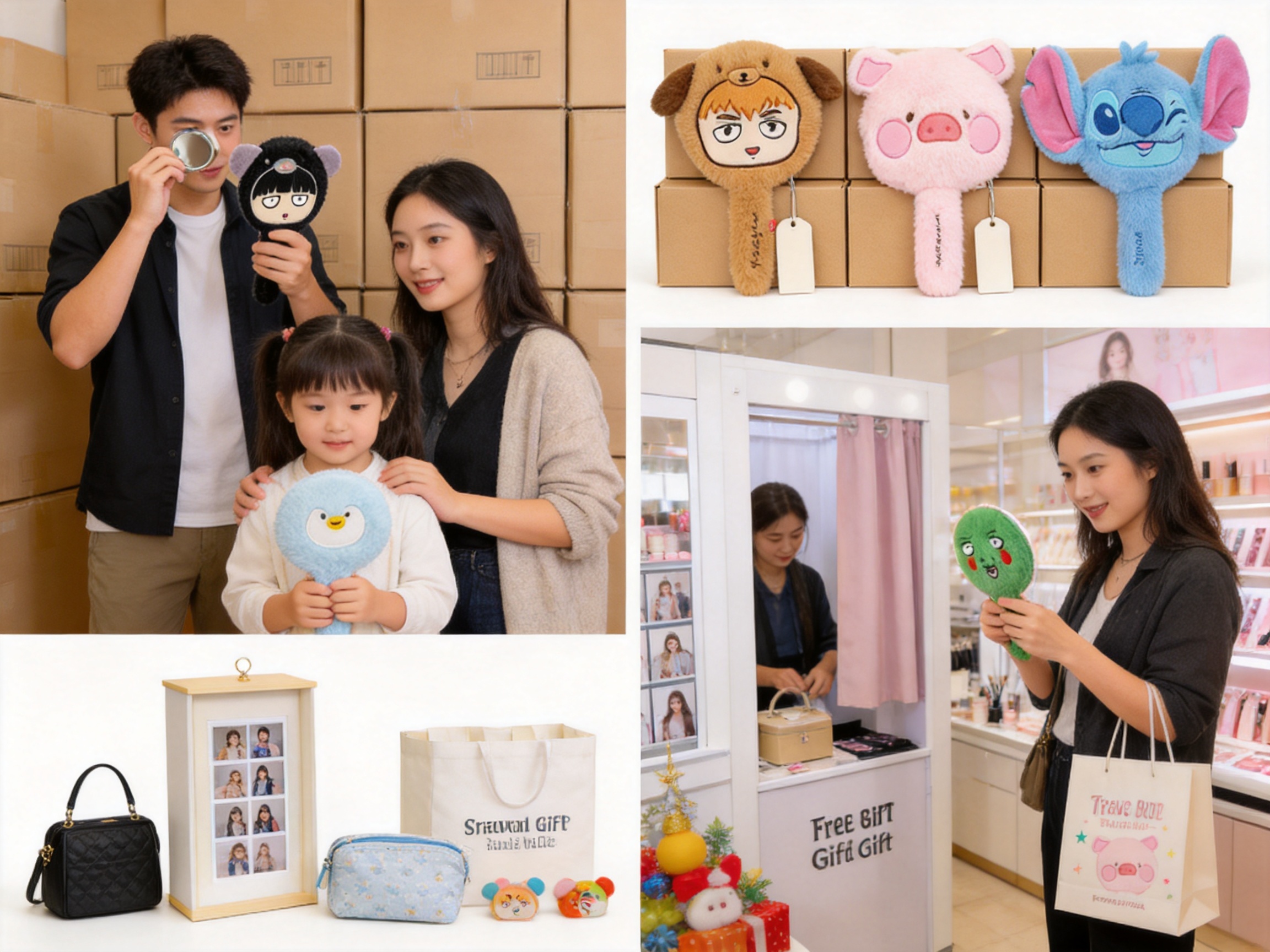
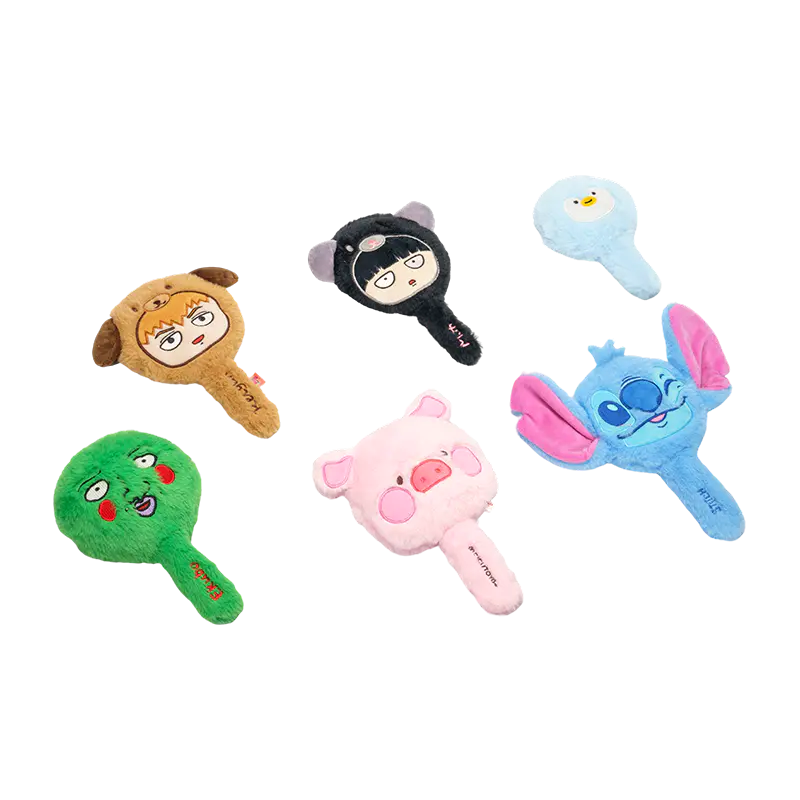
Plush animal-shape hand mirror toys combine the emotional appeal of soft toys with the everyday usefulness of a compact mirror. Designed in friendly animal forms, these products are more than decorative accessories: they are portable promotional gifts, photo props, children’s lifestyle items, event giveaways, and retail-ready novelty products. Their combination of tactile softness, recognizable character styling, and practical function gives them a strong position in the expanding market for customized plush merchandise.
Unlike ordinary stuffed animals, these hand mirror toys offer a functional feature that encourages repeated use. Unlike standard plastic mirrors, they provide a soft, colorful, giftable exterior that is more visually engaging and comfortable to hold. This dual-purpose design helps brands, retailers, event organizers, and gift companies create products that remain visible in customers’ daily lives rather than being stored away after an event.
This article examines the product’s design value, material selection, manufacturing process, customization opportunities, packaging specifications, quality considerations, and commercial advantages. It also explains how Tianchang Bestjoy Craft & Gift Co., Ltd. supports product development through integrated research and development, design, production, sales, and after-sales service.
1. Product Overview
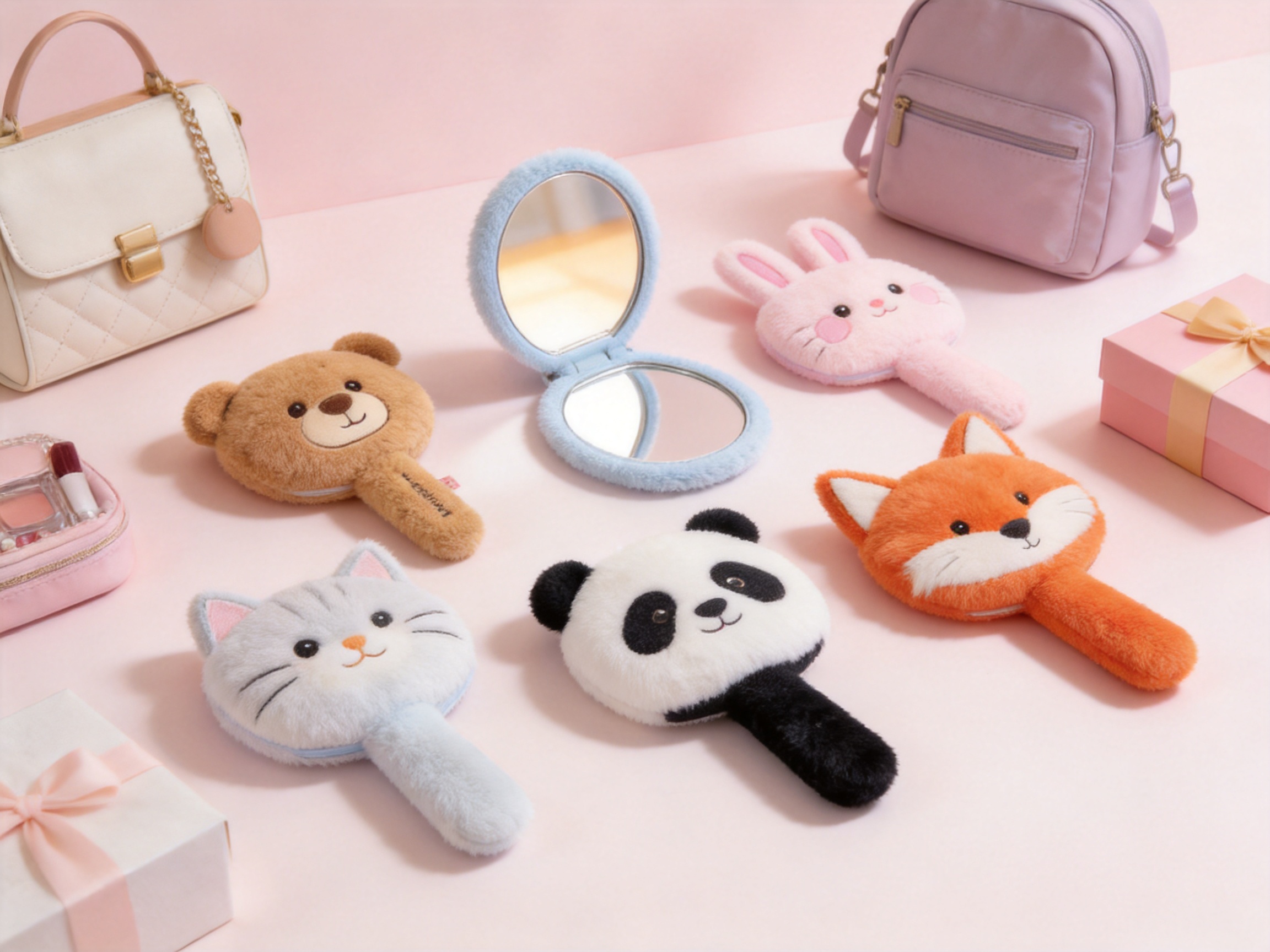
Plush Animal-Shape Hand Mirror Toys feature soft animal-shaped exteriors, an integrated mirror, and a compact construction intended for convenient carrying. The standard product size is approximately 15 centimeters, while customized dimensions can be discussed according to the intended application, design structure, packaging requirements, and target market.
The product is made with a soft plush fabric shell and filled with PP cotton. These materials create a lightweight and comfortable item with a gentle tactile surface. The listed product weight is approximately 150 grams, making the toy suitable for handbags, backpacks, children’s travel kits, gift boxes, promotional packages, and seasonal merchandise displays.
Animal styling gives the product broad creative flexibility. Designs may be developed around familiar animals, imaginative creatures, cartoon-inspired silhouettes, seasonal characters, or brand-specific mascots. Multiple color options are available, allowing the product to match a company identity, campaign theme, retail assortment, holiday program, or event concept.
The mirror function adds an important practical benefit. Users can check their appearance, adjust makeup, prepare for photographs, or simply enjoy the novelty of a mirror incorporated into a soft toy. At the same time, the animal form makes the product suitable as a photo prop, especially for social media content, children’s activities, themed parties, retail displays, and promotional campaigns.
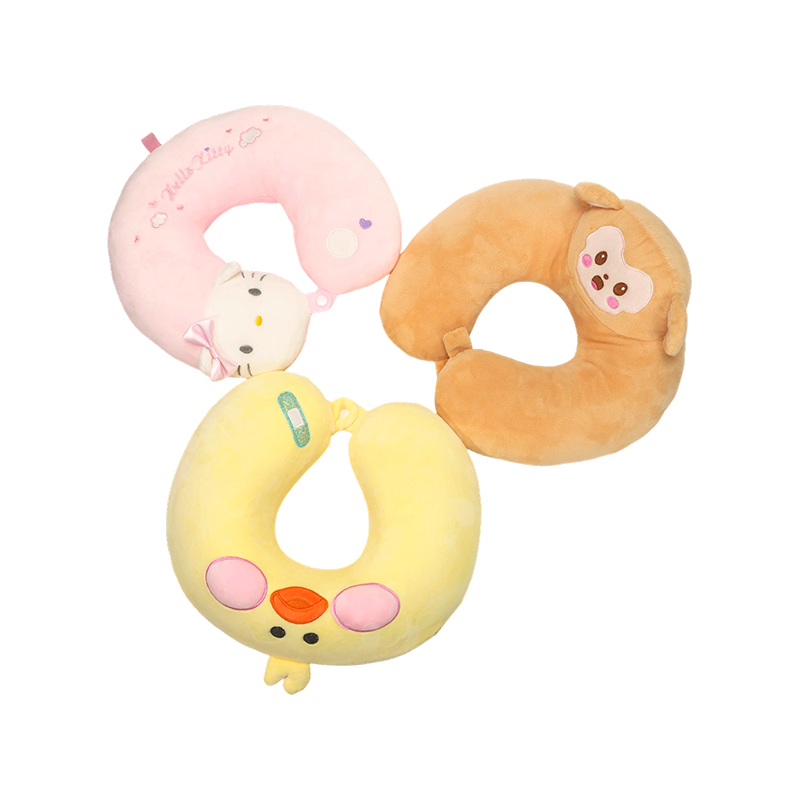
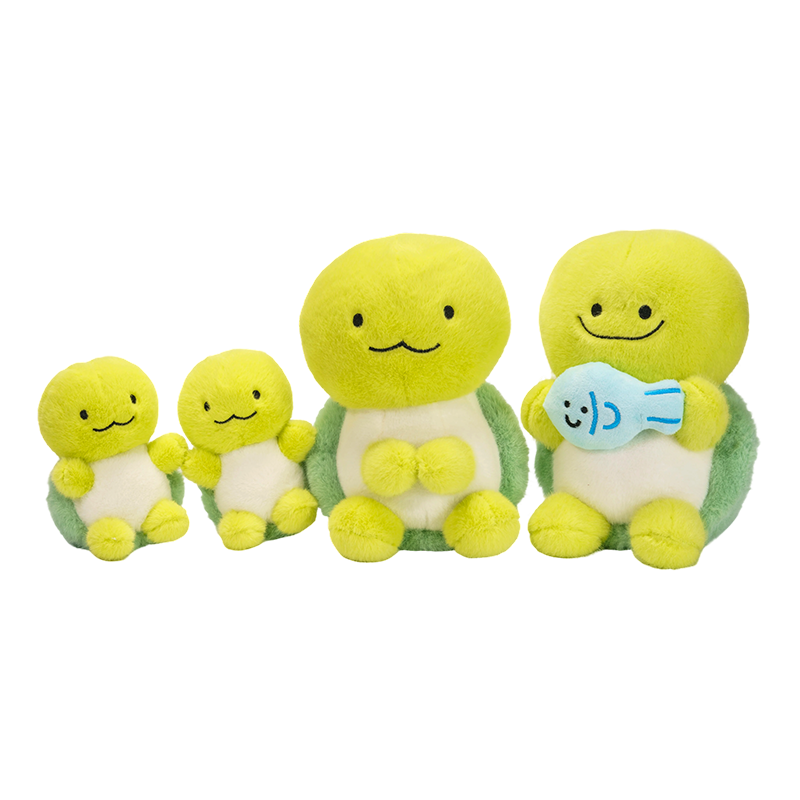
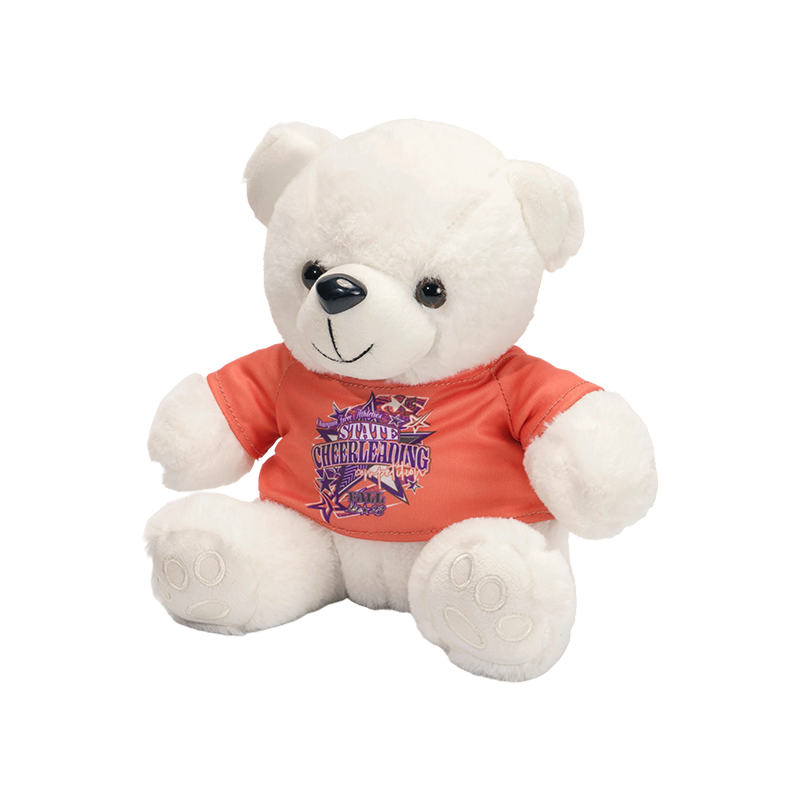
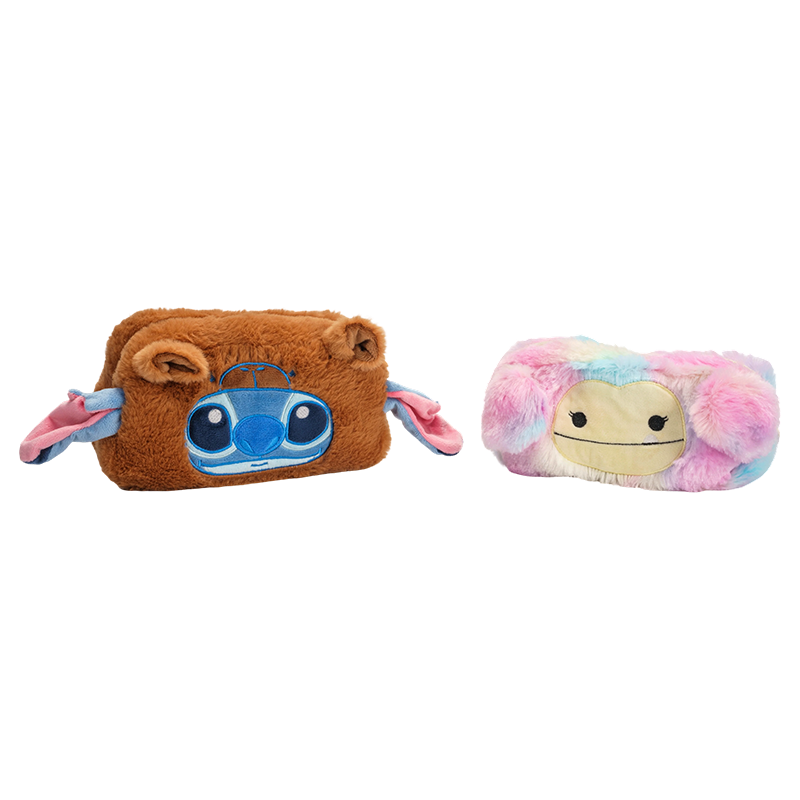
Plush animal-shape hand mirror toys
2. Why This Product Stands Out in the Market
The promotional gift market includes many common products, such as keychains, pens, mugs, tote bags, stress balls, and ordinary plush toys. While these items can be effective, they often face strong competition and may have limited emotional or practical differentiation. Plush animal-shape hand mirror toys occupy a more distinctive category because they bring together softness, character design, portability, and daily utility.
2.1 Dual Function: Plush Toy and Usable Mirror
The most important competitive advantage is the dual-purpose structure. A conventional plush toy mainly provides decorative, emotional, or entertainment value. A regular compact mirror provides utility but often has little emotional appeal. This product combines the two roles in a single gift.
For promotional buyers, the dual function improves the likelihood that the item will be used repeatedly. A recipient may display the plush exterior, carry the item in a bag, use the mirror before meetings or social events, or include it in photographs. Each use creates another opportunity for the product’s design, campaign theme, or associated brand message to be seen.
For retailers, the product can appeal to customers looking for small gifts that are both cute and practical. It can be positioned in children’s accessory sections, lifestyle gift areas, travel displays, beauty-related collections, novelty stores, seasonal departments, or character merchandise assortments.
2.2 High Emotional Appeal
Animal shapes are naturally approachable and easy to understand. A smiling bear, rabbit, cat, dog, panda, fox, or other friendly animal can create an immediate emotional response. Soft textures further enhance this effect because they invite touch and create a comforting sensory experience.
This emotional quality gives the product an advantage over purely functional promotional items. Customers are more likely to keep a gift when it feels attractive, personal, and enjoyable. A well-designed hand mirror toy may become part of a customer’s everyday accessories instead of being discarded or forgotten.
2.3 Compact and Portable Construction
With a standard size of approximately 15 centimeters and an approximate weight of 150 grams, the product is designed for portability. It can be carried in a handbag, backpack, schoolbag, luggage compartment, desk drawer, or travel pouch. Its compact form also helps reduce storage and display requirements for distributors and retailers.
Portability is especially valuable for promotional campaigns involving travel, beauty, fashion, children’s activities, conferences, festivals, shopping events, and outdoor photography. The product can be handed out conveniently without creating the logistical burden associated with large promotional gifts.
2.4 Strong Visual Performance
The soft animal outline and bright color possibilities make the item highly visible in photographs and product displays. It can be used as a prop for social media content, themed photo booths, influencer packages, customer participation campaigns, or seasonal displays.
Products with strong visual performance are valuable in modern marketing because customers often share attractive objects online. An animal-shaped hand mirror can appear in unboxing content, flat-lay photography, travel photos, children’s activities, gift guides, and lifestyle posts. This creates potential exposure beyond the original distribution event.
2.5 Flexible Customization
OEM and ODM services are available for the product. OEM development allows buyers to provide brand guidelines, artwork, colors, labeling requirements, or an existing product concept. ODM development enables buyers to work with the manufacturer on a new design based on a target audience, market position, theme, or promotional objective.
Customization may involve the animal shape, facial expression, color combination, fabric selection, embroidery, printed details, logo placement, packaging, hangtag design, and product dimensions. The precise options depend on the selected design and production requirements, but the product format provides a broad creative foundation.
3. Material Selection and Product Comfort
Material selection has a direct impact on the product’s appearance, touch, durability, and perceived value. The listed shell fabric is soft plush fabric, which is suitable for a product intended to be handled frequently. The plush surface helps distinguish the product from hard plastic compact mirrors and supports the friendly, gift-oriented character of the design.
3.1 Soft Plush Fabric Shell
Soft plush fabric creates a warm and comfortable exterior. It also supports a wide range of animal forms because the fabric can be cut, sewn, shaped, and finished according to the approved pattern. The material can be used to create rounded ears, paws, cheeks, tails, wings, muzzles, and other recognizable design features.
From a merchandising perspective, plush fabric also gives the product a premium visual impression. Even a small item can appear more substantial when it has a well-finished soft surface, clean seams, balanced stuffing, and carefully positioned details.
3.2 PP Cotton Filling
PP cotton is used as the filling material. It supports the rounded shape of the animal design while keeping the product lightweight. Proper filling distribution is important because uneven stuffing can create flat areas, excessive firmness, or an unbalanced silhouette.
During production, the filling quantity and placement should be adjusted according to the size and shape of each design. Areas near the mirror require particular attention so that the mirror remains stable while the plush body retains a comfortable hand feel. The final goal is a product that feels soft without becoming structurally weak.
3.3 Mirror Integration
The mirror is the functional core of the product. It must be positioned securely within the plush structure and protected by the surrounding design. The mirror area should be integrated in a way that preserves the animal character while allowing the user to access and view the reflective surface easily.
Design development should consider the mirror’s shape, size, edge treatment, attachment structure, opening method, and relationship to the plush body. These factors influence both user experience and production consistency. A well-developed design ensures that the mirror does not shift excessively and that the plush exterior remains attractive after repeated handling.
Because mirror products combine soft and rigid components, production planning should address the transition between materials. Sewing lines, internal supports, protective layers, and finishing methods should be reviewed during sampling. The objective is to create a balanced item in which the soft exterior and functional mirror work together rather than competing visually or structurally.
4. Design and Development Process
A successful custom plush hand mirror begins with a clear design brief. The brief may include the intended user group, animal concept, preferred colors, brand personality, expected retail price, promotional purpose, target quantity, packaging format, and delivery schedule. More detailed information at the beginning of development helps reduce revisions later in the process.
4.1 Concept Planning
The design team first evaluates the concept from both creative and manufacturing perspectives. A design may look attractive in a digital illustration but require modification to become stable, sewable, comfortable, and cost-effective in physical production.
Important questions include whether the animal shape is recognizable at a small size, whether the mirror can be integrated naturally, whether the selected details can be reproduced consistently, and whether the finished product can be packed efficiently. These considerations help turn a visual idea into a commercially practical item.
4.2 Pattern and Structure Development
After the concept is approved, the product structure can be developed through patterns, material selections, component planning, and sample construction. The pattern determines the shape of the plush shell, while the internal arrangement affects the mirror position, filling distribution, seam strength, and overall balance.
Experienced product developers can identify potential problems before mass production. For example, a narrow ear may be difficult to fill evenly, a thin tail may require additional reinforcement, or a mirror opening may need a different edge construction. Early adjustments can improve quality while avoiding unnecessary production changes later.
4.3 Prototype Sampling
The listed sample fee is 100 US dollars per design, and the sample lead time is approximately 3 to 7 working days. The sampling stage gives buyers an opportunity to evaluate the physical result before confirming bulk production.
A sample review should examine the animal silhouette, color accuracy, fabric feel, mirror clarity, stitching, filling, dimensions, weight, logo placement, packaging compatibility, and general visual appeal. Buyers may request revisions if the sample needs changes in proportion, color, material, embroidery, or functional arrangement.
Sampling is particularly important for promotional programs because campaign schedules are often fixed. Confirming the design early creates a stronger foundation for production planning and helps ensure that the final item supports the intended marketing message.
4.4 Pre-Production Confirmation
Before bulk manufacturing begins, the approved sample and specifications should be used as the reference standard. Details such as fabric color, embroidery artwork, label position, mirror dimensions, packing method, carton quantity, and inspection expectations should be clearly recorded.
Pre-production confirmation helps maintain consistency when producing multiple colors or several related animal designs. It also gives the factory and buyer a common reference for evaluating the finished goods.
5. Manufacturing Strengths and Production Capabilities
Tianchang Bestjoy Craft & Gift Co., Ltd. is an integrated manufacturer specializing in research and development, design, production, sales, and after-sales service for plush products. The company was established in 2013 and operates in Jinji Industrial Park, Tianchang City, Anhui Province, China.
The factory covers more than 10,000 square meters and has annual sales exceeding 12 million RMB. Its export experience includes markets in Europe, America, Australia, Japan, and South Korea. The company’s customer base includes major retail organizations such as Walmart, Target, Albertsons, and Kmart, demonstrating experience with large-scale commercial requirements.
5.1 Integrated R&D and Production
An integrated structure provides practical advantages during product development. When design, sampling, manufacturing, and sales teams work within one coordinated organization, product information can move more efficiently from concept to production.
This structure is useful for customized plush products because small changes can affect patterns, sewing, material usage, mirror integration, packaging, and cost. An integrated manufacturer can evaluate these factors together instead of treating them as separate processes.
5.2 Professional Equipment and Production Organization
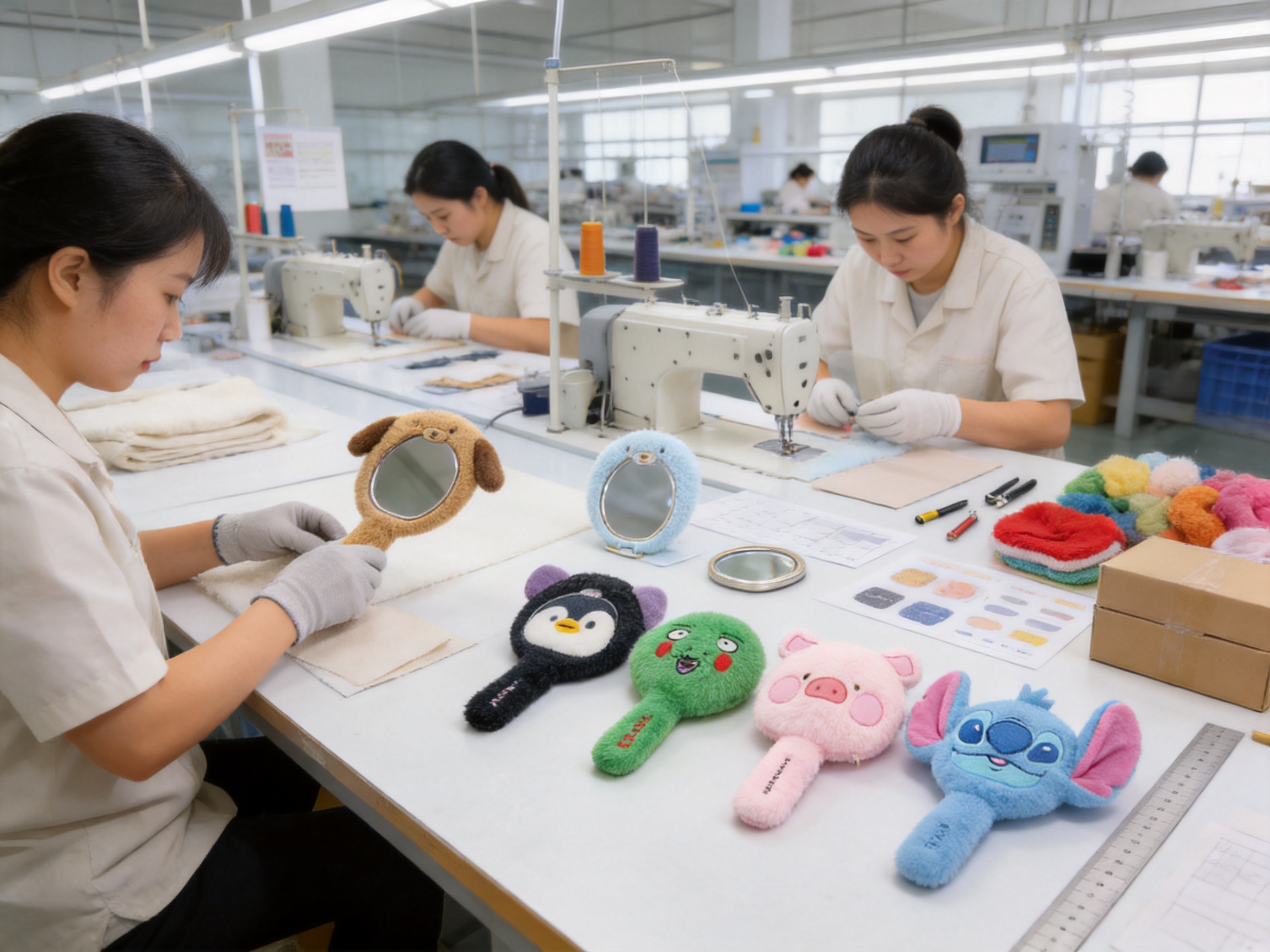
The company has professional production equipment and an innovative research and development team. Plush manufacturing requires coordinated operations, including fabric cutting, sewing, shaping, filling, component installation, embroidery or decoration, finishing, inspection, and packing.
Production equipment supports repeatability, while skilled workers contribute to the finishing quality of individual products. The combination of equipment and human craftsmanship is especially important for animal-shaped products, where small details such as facial symmetry, ear placement, seam alignment, and filling balance strongly affect the final appearance.
5.3 Experience with Diverse Plush Categories
The company’s product range includes trendy plush toys, children’s plush toys, pet plush toys, plush promotional gifts, plush home furnishings, plush stationery gifts, plush handicrafts, and plush cartoon decorations. This broad category experience is relevant to the development of plush hand mirrors because the product combines elements of several product types.
It requires the character styling of a plush toy, the compact presentation of a stationery or lifestyle gift, the promotional flexibility of a branded giveaway, and the finishing discipline required for a functional accessory. Experience across these categories can support more practical product recommendations during development.
5.4 International Market Awareness
Products exported to different regions may need to meet varied expectations concerning design, packaging, labeling, customer preferences, and delivery coordination. Experience serving international markets helps a manufacturer understand that a successful product is not defined only by its appearance.
Communication, documentation, sample approval, production scheduling, packing accuracy, and after-sales response are also important. For overseas buyers, these supporting capabilities can reduce uncertainty and improve the overall sourcing experience.
6. Quality Control Considerations
Quality control for plush animal-shape hand mirror toys should cover both textile workmanship and functional performance. A product may have an attractive design but still fail to meet expectations if the mirror is loose, the seams are uneven, the filling is inconsistent, or the packaging is damaged.
6.1 Appearance Inspection
Appearance inspection should confirm that the finished product matches the approved sample. Key points include animal proportions, fabric color, decorative details, embroidery clarity, facial placement, seam appearance, and general cleanliness.
When several colors or animal styles are produced in the same order, each variation should be checked separately. Color differences can affect the visual consistency of a retail collection or promotional campaign, so approved color references should be maintained throughout production.
6.2 Stitching and Shape Inspection
Stitching should be secure, neat, and appropriate for the product’s intended handling. Seams should be checked for skipped stitches, open areas, loose threads, puckering, or visible irregularities. Rounded animal shapes should be evenly filled and should not show excessive distortion.
The product should retain its basic shape after ordinary handling. Ears, tails, paws, and other small parts should be properly attached, while the mirror area should remain aligned with the surrounding plush construction.
6.3 Mirror and Component Inspection
The mirror should be checked for clarity, scratches, cracks, distortion, and secure installation. Its position should correspond to the approved design, and the surrounding material should not obstruct normal use.
Because the product is intended to be carried frequently, the connection between the mirror and plush body should receive special attention. A well-finished product should feel stable in the hand and should not have exposed sharp edges or poorly protected rigid components.
6.4 Weight and Packing Inspection
The listed product weight is approximately 150 grams. Weight may vary slightly according to customization, material selection, and design complexity, but monitoring weight helps identify major inconsistencies in filling or component installation.
Packaging inspection should confirm that products are clean, correctly folded or arranged, individually protected when required, and packed according to the approved carton plan. Proper packing reduces the risk of deformation, surface contamination, or damage during transport.
7. Packaging and Logistics Information
The listed carton size is 43 centimeters long by 25 centimeters wide by 18 centimeters high. Carton packing is 12 pieces per carton, with a gross weight of approximately 3 kilograms and a net weight of approximately 2 kilograms.
| Item | Specification |
|---|---|
| Product type | Plush animal-shape hand mirror toy |
| Standard size | Approximately 15 cm |
| Approximate product weight | 150 g |
| Shell fabric | Soft plush fabric |
| Filling | PP cotton |
| Color | Multiple options |
| Customization | OEM and ODM available |
| Minimum order quantity | 500 pieces |
| Sample fee | 100 US dollars per design |
| Sample lead time | 3–7 working days |
| Production delivery time | Approximately 45 days |
| Carton size | 43 L × 25 W × 18 H cm |
| Carton packing | 12 pieces per carton |
| Gross carton weight | Approximately 3 kg |
| Net carton weight | Approximately 2 kg |
These specifications provide a useful starting point for freight planning, warehouse allocation, and promotional distribution. Buyers should confirm final dimensions and weights after customization because changes to the mirror, fabric, filling, packaging, or product size may affect the shipping configuration.
The minimum order quantity is 500 pieces. This quantity is suitable for promotional campaigns, retail testing, seasonal programs, corporate gifts, event distribution, and customized character merchandise. Buyers planning several designs should discuss whether the minimum order quantity applies per design, per color, or to the total order.
The standard delivery time is approximately 45 days. Production scheduling may depend on design approval, sample confirmation, material availability, order quantity, packaging requirements, and shipping arrangements. To protect a campaign deadline, buyers should allow time for design review, sampling, approval, production, inspection, and transportation.
8. Promotional Applications
Plush animal-shape hand mirror toys are suitable for a wide range of promotional uses because they combine practical value with an attractive character format.
8.1 Brand and Corporate Gifts
Companies can use customized hand mirror toys as gifts for customers, employees, partners, distributors, or visitors. The design can be adapted to reflect a mascot, company theme, campaign character, or industry-related animal.
For corporate programs, packaging and hangtags can help communicate the campaign message. A carefully designed gift may create a warmer relationship than a standard office item, especially when the company wants to emphasize friendliness, creativity, lifestyle, or family-oriented values.
8.2 Retail Promotions
Retailers can use the product as a purchase-with-purchase gift, loyalty reward, seasonal promotion, membership incentive, or limited-edition accessory. Its compact size makes it easy to display near checkout counters, beauty sections, children’s areas, travel displays, or character merchandise collections.
The product can also be sold as part of a coordinated collection. Multiple animal designs, colorways, or seasonal themes may encourage customers to collect more than one style.
8.3 Events and Exhibitions
At exhibitions, fairs, school events, festivals, and shopping center activities, promotional products should be easy to carry and visually appealing. The plush hand mirror meets these requirements while providing a memorable alternative to common paper or plastic giveaways.
The product can support interactive activities such as photo booths, social media challenges, registration gifts, contest prizes, or themed event packages. Its animal shape can also reinforce the visual identity of an event.
8.4 Beauty, Fashion, and Lifestyle Campaigns
The mirror function makes the product especially relevant to beauty, fashion, personal care, and lifestyle promotions. It can be included in gift sets, product launches, subscription boxes, influencer packages, travel kits, or seasonal beauty campaigns.
The soft animal exterior changes the tone from purely cosmetic to playful and approachable. This can help a campaign reach younger audiences, families, character fans, and customers who prefer colorful lifestyle accessories.
8.5 Children’s and Family-Oriented Programs
The product’s friendly animal styling can suit family events, children’s programs, educational activities, museum shops, theme parks, and community campaigns. When used for children, buyers should define the intended age range and confirm that the final design, component selection, labeling, and packaging are appropriate for the target market.
Designs for younger users may benefit from simple shapes, embroidered facial details, soft colors, and securely attached components. Age suitability should always be evaluated according to the requirements of the destination market and the specific product configuration.
9. Customization Opportunities
Customization is one of the strongest commercial advantages of this product. A standard animal-shaped hand mirror can become a distinctive promotional item through coordinated choices in shape, color, decoration, packaging, and presentation.
9.1 Animal Shape and Character Design
Buyers may select a familiar animal or develop a unique character. Popular concepts can include domestic animals, forest animals, farm animals, sea creatures, birds, fantasy creatures, or abstract mascot forms.
The character should remain recognizable at the compact product scale. Strong silhouettes, clear facial expressions, and balanced proportions generally create better visual results than overly complicated designs with too many small components.
9.2 Color Matching
Multiple color options are available. Colors can be selected to match a brand identity, event theme, seasonal collection, school colors, sports team palette, or retail assortment.
Color planning should consider fabric availability, embroidery contrast, packaging design, and the visual effect of producing several styles together. A coordinated color family can make the product appear more premium and organized when displayed in quantity.
9.3 Logos and Decorative Details
Brand information may be incorporated through labels, hangtags, printed packaging, embroidery, or other suitable decorative methods. The placement should maintain the character’s attractiveness and should not interfere with the mirror’s use.
Decorative details may include facial expressions, embroidered eyes, noses, mouths, patches, fabric appliqué, contrast ears, bows, collars, or themed accessories. The best approach depends on the design, target age, quantity, budget, and intended use.
9.4 Packaging Customization
Packaging can transform the product from a simple giveaway into a complete gift presentation. Custom packaging may include branded cards, printed sleeves, individual bags, display boxes, instruction cards, seasonal artwork, or retail hangtags.
Packaging should protect the plush surface and mirror while communicating the product’s identity. Buyers should also consider whether the packaging will be used for retail display, event distribution, e-commerce shipment, or corporate gifting, because each application may require a different structure.
10. Sustainability and Responsible Product Planning
Responsible product planning begins with avoiding unnecessary complexity and selecting a design that can be produced efficiently. A clear pattern, practical component arrangement, and suitable packaging can help reduce material waste and improve production consistency.
Buyers may also discuss packaging reduction, carton optimization, reusable presentation formats, and material choices appropriate to their market. Any sustainability claim should be based on verified material and production information rather than assumed benefits.
Durability is another part of responsible product planning. A product that remains attractive and usable for a longer period offers greater value to the recipient. Secure stitching, stable mirror integration, balanced filling, and appropriate finishing all contribute to a longer useful life.
For promotional campaigns, buyers should consider the complete product lifecycle, including how the item will be distributed, carried, stored, and used. Compact designs and efficient carton packing can support easier handling and more practical logistics.
11. How the Product Compares with Common Promotional Items
| Product type | Main strength | Typical limitation | Advantage of the plush hand mirror |
|---|---|---|---|
| Plastic compact mirror | Functional and lightweight | Limited emotional appeal | Adds a soft, character-based exterior and gift value |
| Ordinary plush toy | Softness and character appeal | May have limited everyday utility | Includes a practical mirror for repeated use |
| Keychain | Portable and easy to distribute | Small display area and common format | Offers greater visual presence and a more tactile design |
| Promotional pen | Useful for office tasks | Highly competitive and less memorable | Creates stronger emotional and visual differentiation |
| Tote bag | Large branding area | Less compact and more common | Provides a distinctive novelty gift with daily utility |
| Standard beauty accessory | Practical personal use | May not appeal to children or character-focused audiences | Combines beauty functionality with playful animal styling |
This comparison shows that the product’s value does not depend on one feature alone. Its competitive position comes from the combination of softness, portability, character design, customization, and mirror functionality.
12. Recommended Buyer Workflow
Buyers can improve project efficiency by following a structured development workflow.
First, define the objective. Decide whether the product is intended for retail sale, a promotional giveaway, a corporate gift, an event, a seasonal program, or a character collection. The objective will influence the design, packaging, quantity, and target price.
Second, prepare the design brief. Provide the preferred animal, size, colors, artwork, logo, packaging requirements, target audience, and estimated order quantity. If the concept is not finalized, share the desired mood and market position so the design team can suggest suitable directions.
Third, review the proposed design and confirm the practical structure. Pay attention to the mirror position, animal proportions, decorative elements, fabric, filling, and packaging format.
Fourth, order and evaluate the sample. The stated sample lead time is approximately 3 to 7 working days, and the sample fee is 100 US dollars per design. Review the sample carefully and communicate any changes in a clear, consolidated format.
Fifth, approve the final specifications. Confirm the sample, colors, dimensions, logo placement, packaging, carton information, quantity, and delivery schedule before bulk production begins.
Sixth, coordinate production and inspection. The standard delivery time is approximately 45 days, but the actual schedule should be confirmed according to the final order. Inspection requirements should be discussed before production whenever possible.
Finally, plan distribution. Determine how the products will be stored, transported, displayed, or included in gift packages. Advance planning can help prevent delays after production is completed.
13. Frequently Asked Questions
Q1: What is the standard size of the plush animal-shape hand mirror?
The standard size is approximately 15 centimeters. Customized sizes may be available depending on the design, mirror dimensions, material usage, packaging, and production requirements.
Q2: How much does one product weigh?
The listed product weight is approximately 150 grams. The final weight may vary slightly after customization, particularly if the buyer changes the dimensions, mirror structure, fabric, filling, or decorative details.
Q3: What materials are used?
The shell is made from soft plush fabric, and the filling material is PP cotton. The product also includes an integrated mirror and may include additional decorative or packaging components according to the approved design.
Q4: Can the product be customized?
Yes. OEM and ODM services are available. Buyers can discuss animal shapes, colors, dimensions, decorative details, brand elements, packaging, and other design requirements with the manufacturer.
Q5: What is the minimum order quantity?
The listed minimum order quantity is 500 pieces. Buyers should confirm how the minimum quantity applies when ordering multiple designs, colors, or product variations.
Q6: How much is the sample fee?
The listed sample fee is 100 US dollars per design. The final sample arrangement should be confirmed according to the design complexity and customization requirements.
Q7: How long does sampling take?
The sample lead time is approximately 3 to 7 working days. The actual timing may depend on artwork confirmation, material availability, design complexity, and revision requirements.
Q8: How long is the production delivery time?
The listed delivery time is approximately 45 days. Buyers should confirm the production schedule after the design, quantity, packaging, and delivery arrangements have been finalized.
Q9: Can the product be used as a promotional gift?
Yes. It is categorized as a promotional plush toy and is suitable for corporate gifts, retail promotions, exhibitions, events, loyalty campaigns, beauty programs, seasonal activities, and character merchandise.
Q10: Why is this product different from a normal compact mirror?
A normal compact mirror focuses primarily on function. The plush animal-shape hand mirror adds softness, character appeal, color variety, emotional value, and promotional visibility. It is therefore more suitable for campaigns that want to create a memorable and giftable experience.
Q11: Can the mirror be designed in a special shape?
The mirror shape and placement can be discussed during product development. Any special shape should be evaluated for visual balance, safety, stability, manufacturing feasibility, and user convenience.
Q12: What should buyers review when approving a sample?
Buyers should review the animal silhouette, size, weight, fabric, color, filling, stitching, mirror clarity, mirror stability, decorative details, logo position, packaging, and general usability. The approved sample should become the reference for bulk production.
Q13: Where is the manufacturer located?
Tianchang Bestjoy Craft & Gift Co., Ltd. is located in Jinji Industrial Park, Tianchang City, Anhui Province, China. The company operates a factory covering more than 10,000 square meters.
Q14: Does the manufacturer serve overseas buyers?
Yes. The company exports products to Europe, America, Australia, Japan, and South Korea, and welcomes cooperation with customers worldwide.
Q15: What makes the manufacturer suitable for customized plush products?
The company integrates research and development, design, production, sales, and after-sales service. It also has an innovative R&D and design team, professional production equipment, experience with multiple plush product categories, and international market experience.
14. Conclusion
Plush animal-shape hand mirror toys offer a distinctive combination of character design, softness, portability, and everyday usefulness. Their animal forms make them visually engaging, while the integrated mirror gives recipients a practical reason to use them repeatedly. This combination creates advantages over both ordinary plush toys and standard promotional mirrors.
The product is suitable for customized retail items, corporate gifts, event giveaways, beauty campaigns, children’s programs, seasonal promotions, character collections, and lifestyle merchandise. With a standard size of approximately 15 centimeters, a weight of approximately 150 grams, soft plush fabric, PP cotton filling, multiple color options, OEM and ODM availability, and a minimum order quantity of 500 pieces, it can be adapted to a broad range of commercial needs.
Manufacturing quality depends on careful design development, precise pattern construction, balanced filling, secure mirror integration, consistent stitching, controlled decoration, and appropriate packaging. Tianchang Bestjoy Craft & Gift Co., Ltd. supports these requirements through integrated product development and manufacturing capabilities, a factory exceeding 10,000 square meters, professional equipment, an experienced design team, and export experience across major international markets.
For buyers seeking a promotional product that is memorable, practical, soft, and visually distinctive, the plush animal-shape hand mirror provides a flexible platform for creative customization. With a clear design brief, timely sample approval, suitable quality planning, and coordinated packaging, it can become an effective promotional gift and a strong addition to a modern plush product collection.
References
1. Product specification information for Plush Animal-Shape Hand Mirror Toys, including size, weight, materials, customization, sampling, delivery, and packaging details.
2. Tianchang Bestjoy Craft & Gift Co., Ltd. company information concerning factory location, manufacturing capabilities, product categories, export markets, and organizational services.
3. General principles of plush product design, pattern development, sewing construction, filling distribution, component integration, and quality inspection.
4. General promotional merchandise planning practices covering product usability, customization, packaging, event distribution, retail presentation, and campaign scheduling.